Why Your AC Smells Like Vinegar in Babcock Ranch Homes
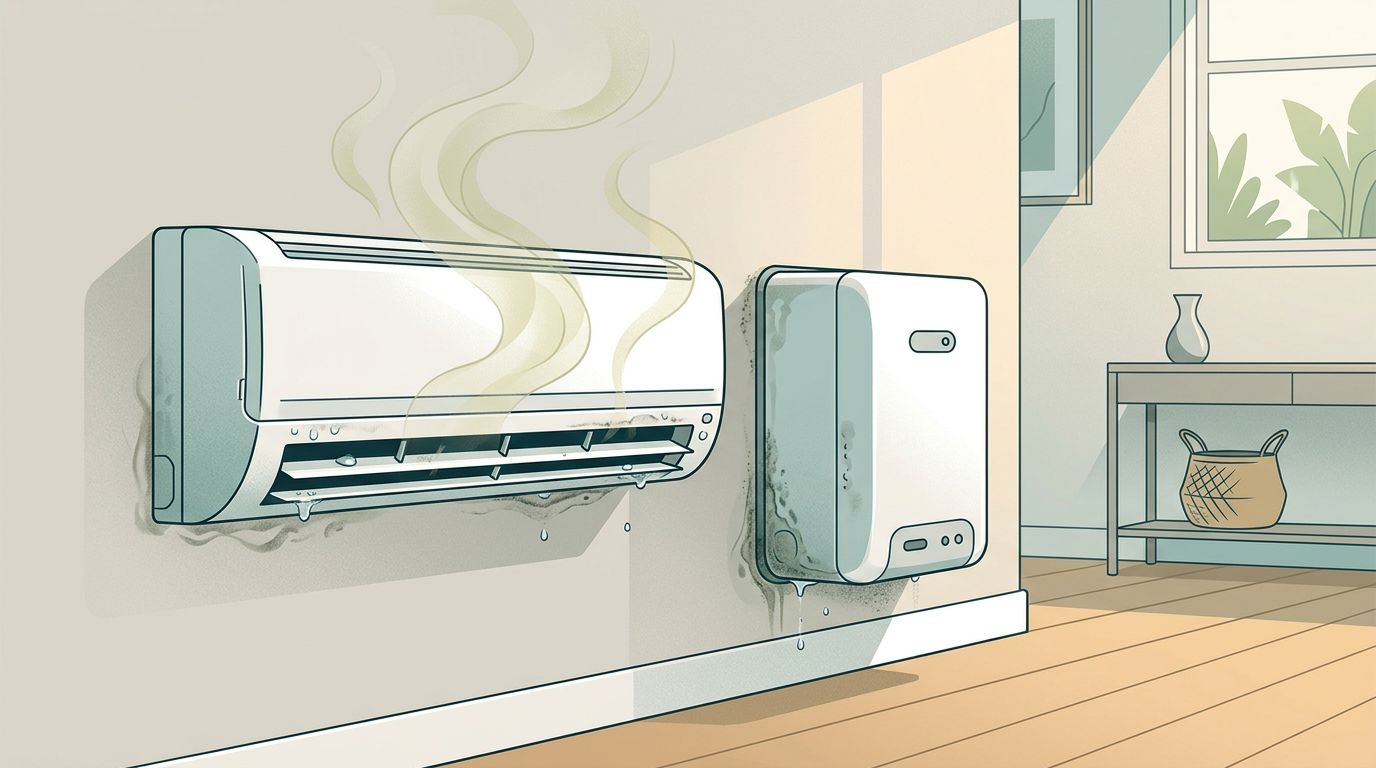
An AC that smells like vinegar can make a clean Babcock Ranch home feel uncomfortable within minutes. The odor often points to moisture, organic buildup, or a condensate drainage problem inside the cooling system.
In Southwest Florida, your air conditioner works through long, hot, humid stretches. That workload creates plenty of condensation, so a small filter, coil, or drain issue can turn into a noticeable smell. If your AC smells like vinegar and the odor keeps returning, a technician needs to inspect the system instead of masking it with air freshener.
Start with the safe checks below, then learn which signs call for professional service.
Why Your AC Smells Like Vinegar: Common Sources
The smell usually begins where moisture collects inside the air handler. A vinegar-like odor alone can't identify one failed part, but the pattern can point toward a few common causes.
Moisture and buildup on the evaporator coil
The indoor evaporator coil gets cold enough to pull water vapor from warm household air. That water should fall into a drain pan and leave through the condensate line. When dust and organic residue coat the coil, moisture stays against that film during long cooling cycles.
Over time, microbial buildup can create a sour, tangy, or musty odor. The smell may come through supply registers, especially when the blower starts.
A coil cleaning may help, but a technician must use the correct method for the equipment. Spraying household vinegar or cleaner into the air handler can damage components and spread fumes.
A dirty filter and restricted airflow
A loaded filter adds another layer of trouble. It restricts airflow, leaves more dust near the coil, and can allow the coil to become colder than intended. In severe cases, ice forms and later melts into the pan.
That cycle can create odors, water around the air handler, and weak cooling. A dirty filter isn't always the root cause, but replacing it is a safe first step.
A blocked drain pan or condensate line
Condensate drains collect water every time the AC runs. A partially blocked line can hold stagnant water or develop a slimy biofilm. The air handler may pull that odor into the return side, especially if the drain trap is dry, poorly configured, or connected near the return opening.
Visible water, algae-like residue, or repeated drain overflow needs service. Don't assume a small pan puddle is harmless in a Florida home, because water damage can spread before the odor becomes strong.
Why Babcock Ranch Homes Notice AC Odors Quickly
Babcock Ranch and nearby Southwest Florida communities have long cooling seasons. During hot weather, an AC may run for hours each day. Every cycle creates condensate, and high outdoor humidity slows evaporation around equipment and drains.
Indoor humidity can remain high even when the thermostat reaches its set point. This happens when airflow is low, a drain is restricted, or the system is oversized for the space. Damp surfaces give dust and biological residue more time to produce an odor.
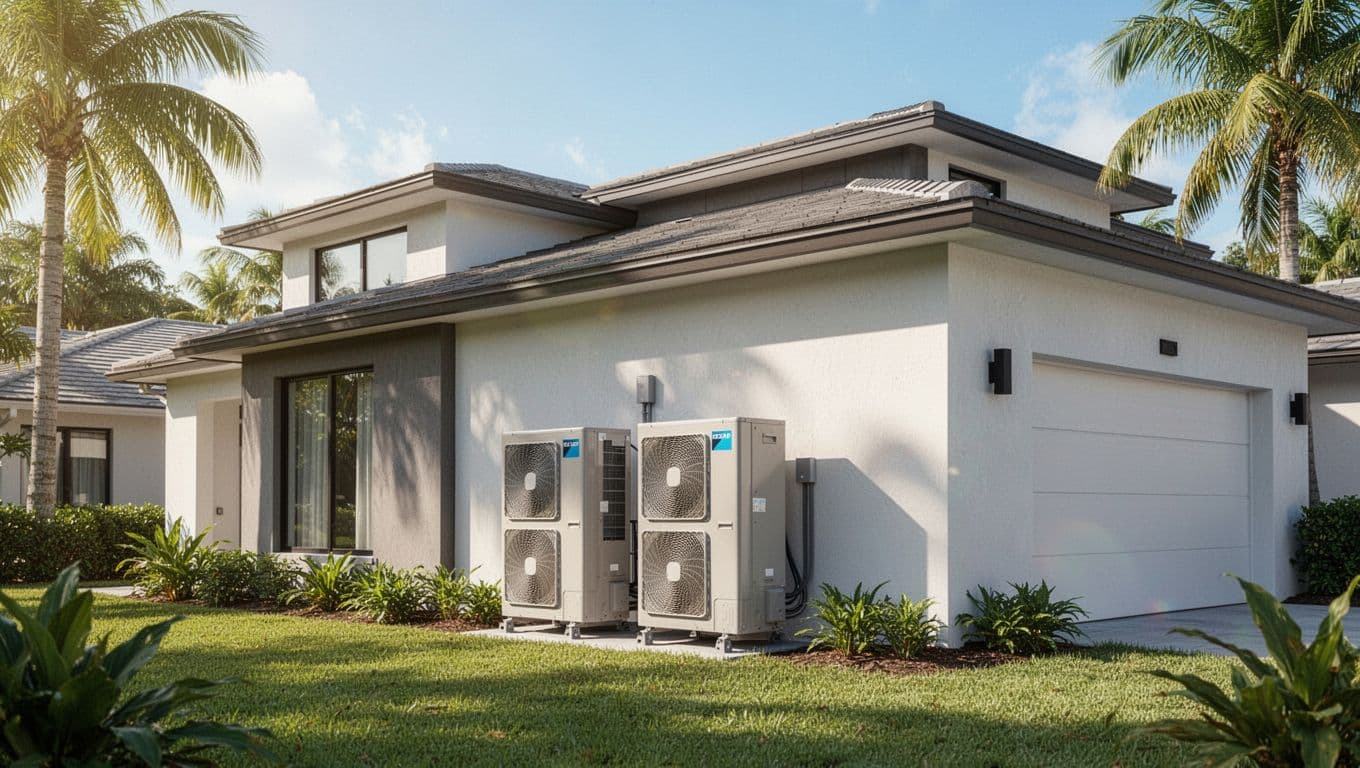
The outdoor condenser usually isn't the source of a vinegar smell inside the house. Still, salt air, dirt, leaves, and storm debris can reduce heat transfer. The system then runs longer, which adds to the moisture load and exposes weak drainage sooner.
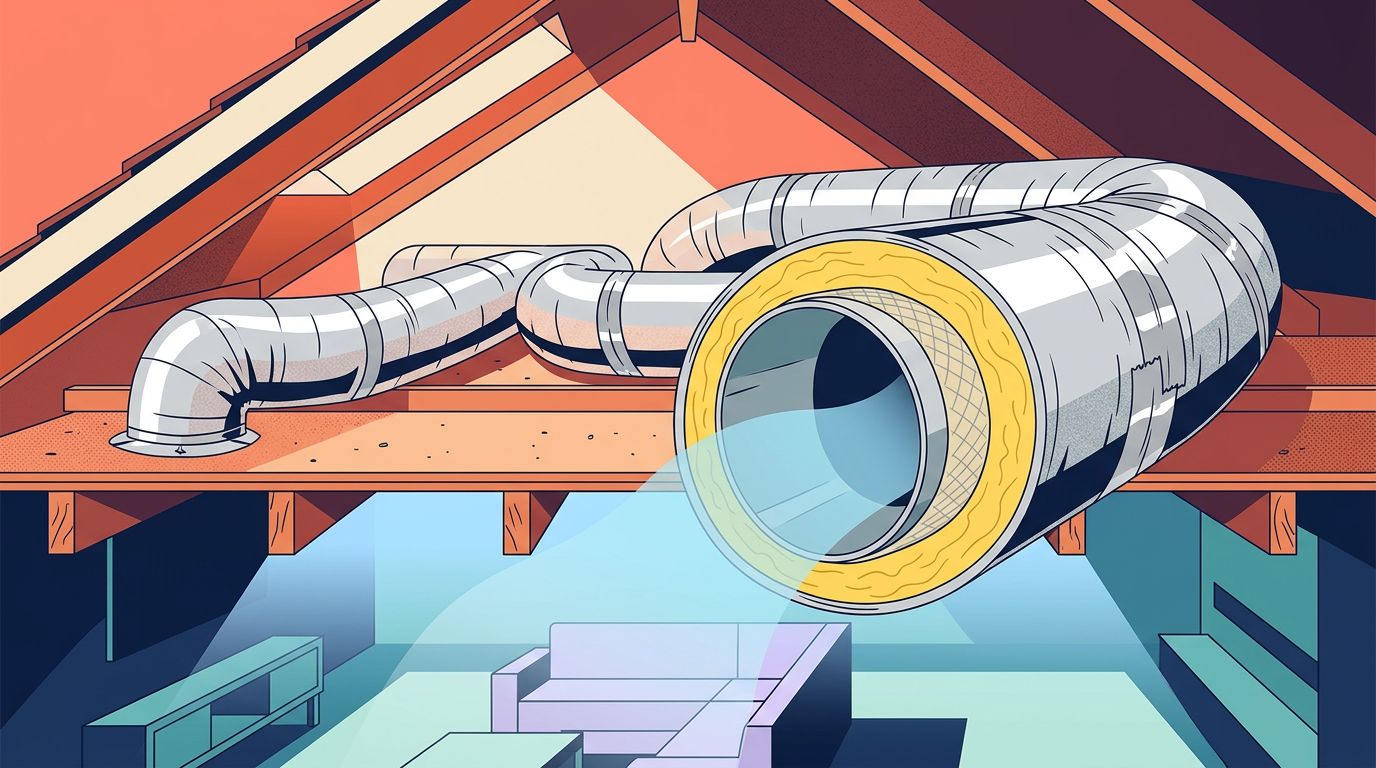
Homes with attic ducts, closet air handlers, or equipment in garages can have different odor paths. A return leak may draw air from a damp utility area. A supply duct with insulation damage can also hold odor. The location matters, so note where the smell is strongest before scheduling service.
Safe Checks You Can Make Today
Before calling for help, you can gather useful clues without opening sealed panels or handling refrigerant lines.
- Turn the thermostat to Off. If you need to look near the indoor unit, stop the cooling cycle first. Don't remove access panels or reach near wiring, moving parts, or the blower.
- Check the air filter. Look for dust, discoloration, or a filter that has collapsed or become damp. Replace it with the correct size and type listed on the existing filter or equipment documentation. If the new filter becomes dirty quickly, the system may need an airflow or duct inspection.
- Look for visible water. Check the area around the air handler, the drain pan if it's accessible without removing panels, and the floor beneath the unit. Water stains, pooling, or wet insulation are reasons to stop using the AC and request service.
- Inspect the accessible drain outlet. Many condensate lines terminate outside near the home. Look for obvious standing water, sludge, or an overflow condition. Don't push tools into the line, pour drain cleaner into it, or mix bleach with other products.
- Track when the odor appears. Does it start when the blower turns on? Is it strongest near one register, the return grille, or the indoor unit? Does it disappear when the AC stays off? These details help a technician narrow the source.
- Check cooling performance. Notice whether rooms feel warmer, airflow is weaker, or the system runs much longer than usual. A smell combined with reduced cooling deserves faster attention than an odor that appeared once and disappeared.
These steps can identify visible warning signs, but they can't confirm whether the problem is a coil, drain, duct, filter, or another component. When your AC smells like vinegar repeatedly, avoid covering the odor with scented products. They can make the air harder to assess and may add more irritants indoors.
When a Vinegar Smell Needs Professional Evaluation
Schedule an HVAC inspection if the odor lasts more than a short period after replacing a dirty filter. Persistent smells usually mean moisture or contamination remains somewhere in the system.
Professional evaluation is especially important when you notice:
- Water near the air handler, ceiling stains, or a condensate drain backup.
- Visible mold or suspected mold inside the equipment or ductwork.
- Reduced cooling, weak airflow, short cycling, or a frozen coil.
- A vinegar-like odor that returns after cleaning an accessible area.
- A suspected refrigerant problem, such as icing, poor cooling, or unusually long run times.
- A sharp electrical, smoky, or burning smell.
Refrigerant itself doesn't normally smell like vinegar. However, a refrigerant issue can cause the evaporator coil to freeze, then create excess water when the ice melts. Diagnosing and repairing that problem requires proper instruments and trained service. Don't loosen fittings or handle refrigerant lines yourself.
If cooling has dropped and the coil is icing, turn the system off and arrange service. Continued operation can send meltwater into areas that shouldn't get wet.
A qualified technician can inspect the evaporator coil, drain pan, condensate line, blower compartment, filter, duct connections, and electrical components. They can also check airflow and refrigerant pressures when the symptoms point in that direction.
For homeowners who need professional AC repair, an inspection is more useful than replacing random parts. The right repair depends on where the moisture and odor are actually coming from.
How to Keep the Odor From Coming Back
Start with the filter. Check it monthly during heavy cooling months, then replace it when it is dirty or according to the equipment manufacturer's instructions. A clean filter supports steady airflow and reduces the dust reaching the evaporator coil.
Keep supply registers and return grilles clear of furniture, rugs, boxes, and pet hair. Restricted return airflow can affect coil temperature and leave the system working harder than it should.
Also, keep the area around the indoor air handler dry and accessible. Don't store chemicals, wet materials, or laundry products beside the unit. If the system sits in a closet, avoid blocking its return opening or covering required ventilation gaps.
Annual maintenance should include a condensate drain inspection, evaporator coil review, airflow testing, electrical checks, thermostat calibration, and outdoor coil cleaning. Homes with heavy dust, pets, renovation work, or recurring humidity problems may need more frequent attention.
Sunset Gulf HVAC's Comfort Club maintenance plan includes scheduled tune-ups, drain inspection, condenser coil rinsing, filter inspection, thermostat calibration, and system safety checks. Regular service can catch drainage and airflow problems before they become indoor odors or water damage.
A basic indoor hygrometer can also show whether humidity stays high after the AC runs. If the home feels damp or the odor returns despite a clean filter, ask a technician to evaluate system operation, drainage, and indoor air quality together.
Conclusion
When your AC smells like vinegar, moisture and organic buildup are common suspects. A dirty filter, restricted airflow, evaporator coil residue, or condensate drainage problem can all create a sour odor in a Babcock Ranch home.
Replace a dirty filter and check for visible water, but don't open sealed equipment or use harsh drain chemicals. Persistent odor, mold concerns, drainage backups, reduced cooling, icing, or possible refrigerant trouble need professional evaluation before a small issue becomes a larger repair.
Recent Posts