Blocked Dryer Vent Signs in Lehigh Acres Homes
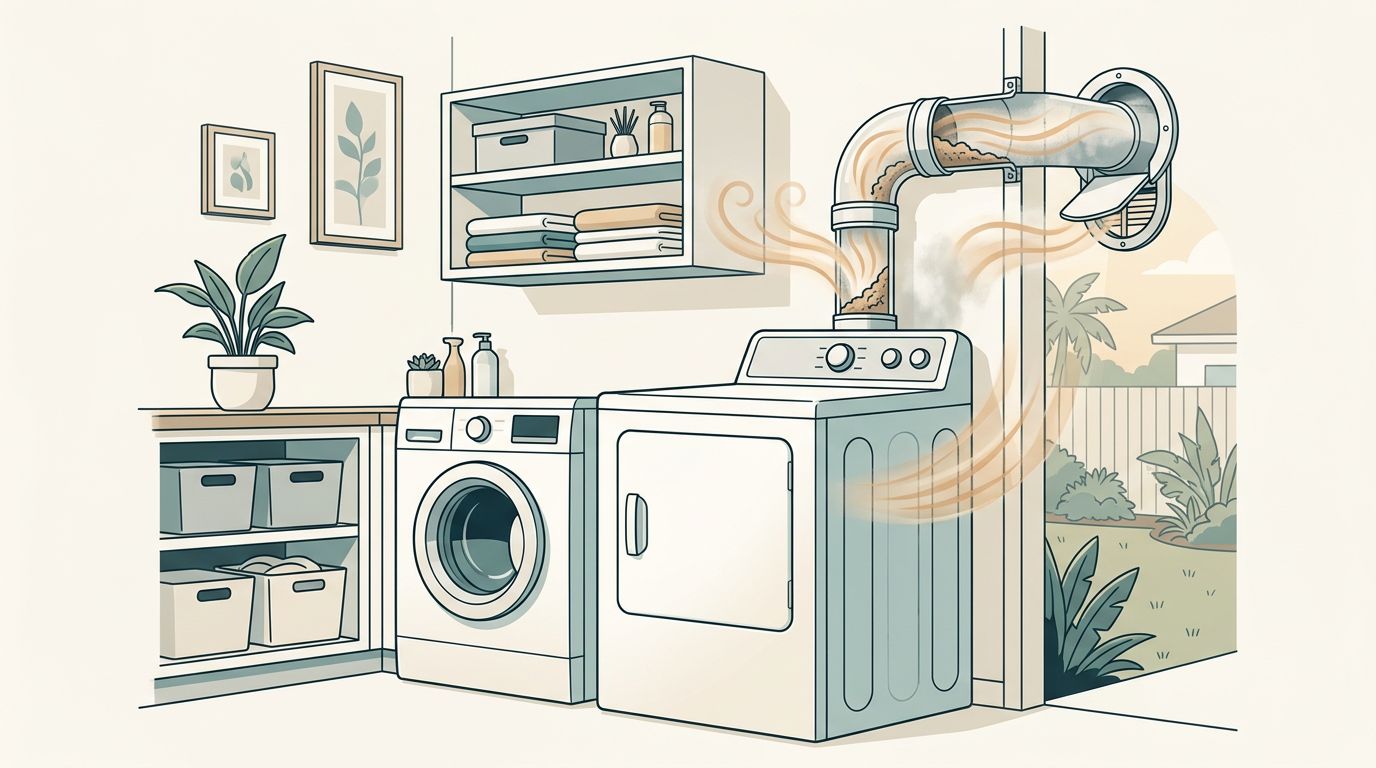
A dryer that once finished a load in one cycle can start taking much longer when lint restricts its exhaust path. If you suspect a blocked dryer vent , pay attention to changes in drying time, heat, airflow, odors, and the dryer's cycle behavior.
Lehigh Acres homes deal with warm, humid weather, and some laundry rooms have vent ducts that run through walls, ceilings, or longer sections of the home. Lint can collect at bends, joints, the wall connection, or the outdoor vent cover. Recognizing the warning signs helps you decide what you can check safely and when professional service is needed.
Why Dryer Vent Blockage Deserves Attention
Your dryer pulls room air across wet clothing, heats it, and pushes warm, damp air through a dedicated exhaust duct. That air needs a clear path to leave the home.
When lint narrows the duct, the dryer works longer and hotter. A serious blocked dryer vent can also trap moisture inside the duct, causing damp lint to stick to the interior and worsen the restriction.
Lint Doesn't Stay at the Screen
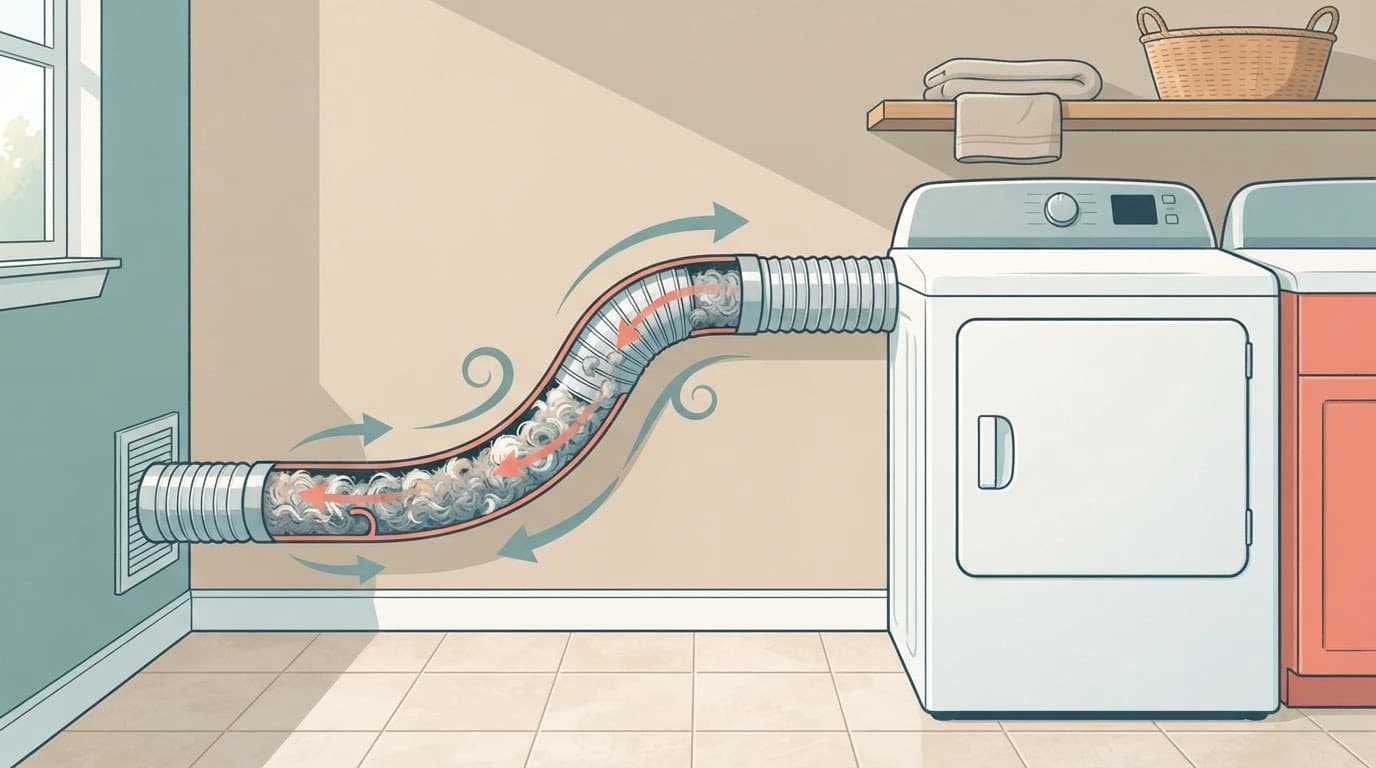
The lint screen catches much of the material released during a load, but it doesn't catch everything. Fine fibers can pass into the exhaust duct, especially when the screen is damaged, not cleaned regularly, or coated with fabric-softener residue.
Over time, lint collects along the duct walls. It can also gather where the duct bends, where a flexible section is crushed, or where the outdoor flap doesn't open fully.
Florida Conditions Can Add Moisture
Warm, humid air can make trapped lint damp and sticky. If the vent terminates near landscaping, a screened area, or a wall that receives little air movement, dust and outdoor debris may also affect the vent opening.
A laundry room located far from an exterior wall may have a longer duct path with more bends. That doesn't prove a problem exists, but longer or harder-to-reach ductwork deserves professional attention when symptoms appear.
How a Blocked Dryer Vent Changes Drying Performance
Drying performance often changes before a homeowner sees lint or smells anything unusual. Pay attention to how the dryer behaves compared with its normal operation.
Loads Take Longer to Dry
Longer drying times are one of the most common signs of a blocked dryer vent. Clothes may need an extra cycle, or towels may remain damp after the dryer stops.
The dryer can still produce heat when the vent is restricted. However, moist air cannot escape efficiently, so the same load takes longer. Running the dryer repeatedly increases energy use and places more strain on the heating and control components.
A change that appears suddenly deserves attention. First, check that the lint screen is clean and that the load isn't packed too tightly. If the problem continues, schedule a vent inspection.
Laundry or the Dryer Feels Too Hot
Clothes may feel unusually hot at the end of a cycle, while the top or sides of the dryer cabinet may feel hotter than usual. The laundry room can also become warmer and more humid during operation.
Some warmth is normal, but excessive heat suggests that the dryer may be working against restricted airflow. A blocked dryer vent can hold heat inside the machine and raise the risk of damage.
Don't continue running repeated loads to see whether the problem improves. Let the dryer cool, then arrange a professional inspection if the heat returns.
Watch for Odors, Weak Airflow, and Excess Lint
Several warning signs appear around the dryer rather than inside the drum. These clues matter even when drying times haven't changed much.
A Burning Smell Requires Immediate Action
A burning or hot-dust smell can occur when lint heats up inside the vent or near the dryer. It can also come from an electrical or mechanical component, so the odor alone cannot identify the cause.
Turn the dryer off when you notice the smell. Unplug it if the outlet is easy to reach and safe to access. Keep the appliance off until a qualified technician checks the vent and the dryer.
Lint buildup is a fire hazard. Never cover the smell with air freshener or keep using the machine because the odor disappears after a few minutes.
Airflow Feels Weak and Lint Appears in New Places
With the dryer running, the exterior exhaust should release a noticeable flow of warm air. If the airflow feels weak, stops and starts, or barely moves the outside flap, the duct may have a restriction.
Also look for lint around the dryer, near the wall connection, or below the outdoor vent cover. A little lint on the screen is normal. A sudden increase in lint outside the screen can point to a loose connection, damaged duct, or blocked termination.
Check the outside cover from ground level. If it has a stuck flap, visible debris, or a bird nest, don't reach into the duct. Arrange service if the opening cannot be cleaned safely.
Automatic Shutdowns Need Careful Attention
Some dryers stop automatically when their moisture-sensing cycle determines that clothes are dry. That normal ending differs from an abrupt shutdown while clothing remains damp or the cabinet feels excessively hot.
Why a Dryer May Stop Before the Load Is Dry
A restricted vent can cause internal temperatures to rise. Safety controls may stop the dryer, interrupt heating, or make the machine cycle on and off to prevent overheating.
A dryer that shuts down repeatedly should not return to regular use until someone checks it. Continuing to restart it can place more stress on the heating system and other components.
Don't Assume Every Shutdown Is a Vent Problem
Automatic shutdowns can also result from a failing thermal fuse, thermostat, motor, control board, or another appliance fault. A dryer that stops because its motor overheats has a different repair need than one that cannot exhaust air.
A professional should test the dryer and inspect the vent instead of assuming every symptom comes from lint. Accurate diagnosis prevents unnecessary duct cleaning and helps identify a repair that needs immediate attention.
Safe Dryer Vent Checks for Lehigh Acres Homeowners
You can perform a few basic checks without entering hidden spaces or taking apart the appliance. Stop if a check requires force, climbing, or access to an unsafe area.
Start With Accessible Areas
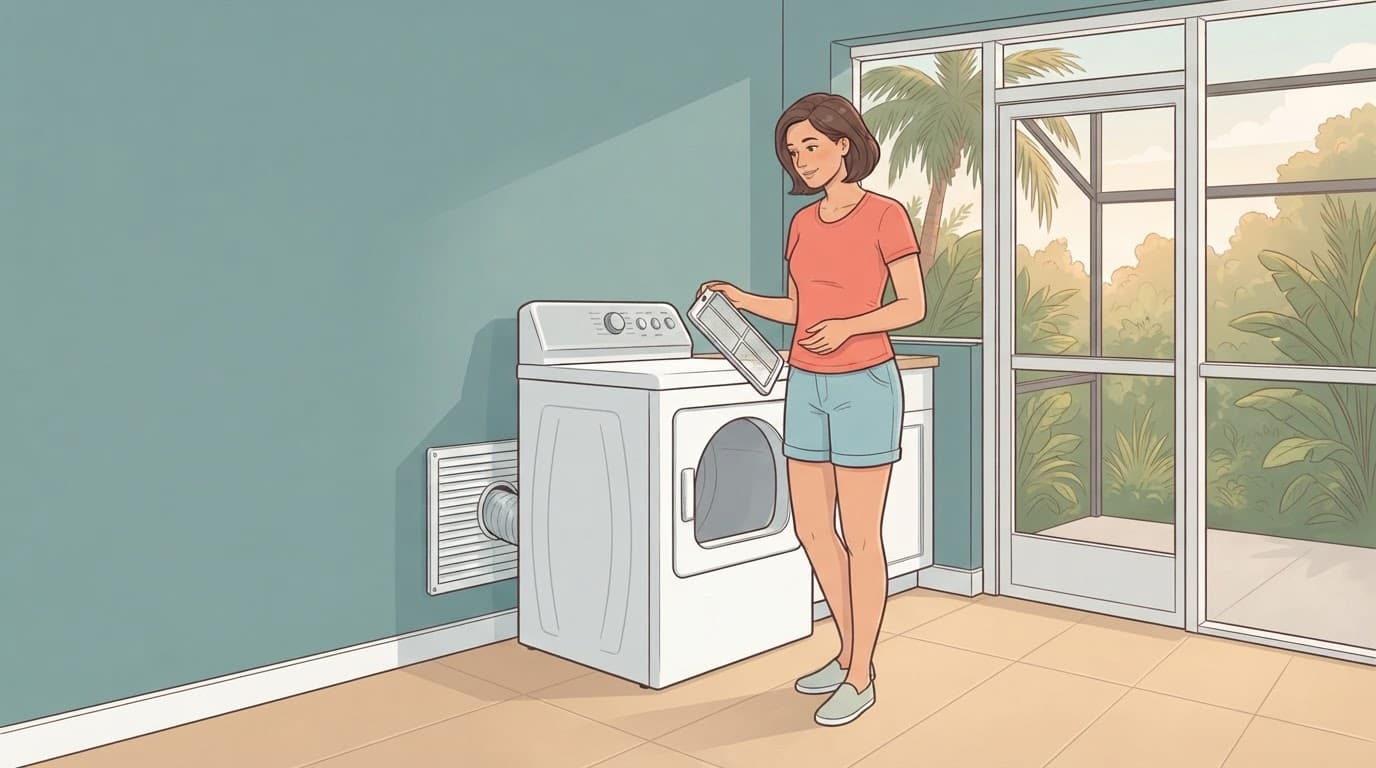
Use this short check when the dryer is off and cool:
- Clean the lint screen and remove any visible residue from its frame.
- Look behind the dryer for a crushed, sharply bent, loose, or disconnected vent section.
- Check the outdoor vent cover from the ground and remove loose debris around the opening.
- Run the dryer briefly and observe whether warm air reaches the exterior vent.
If the dryer is hard to move, don't pull it away from the wall. A damaged gas connection, power cord, or vent connection can create another safety problem.
Leave Hidden Ductwork to a Professional
Don't climb onto the roof, enter a crawl space, or reach through a tight ceiling or wall opening to follow the duct. These areas may require proper lighting, fall protection, respiratory protection, and specialized equipment.
Avoid pushing a broom, coat hanger, or sharp object deep into the vent. You could damage the duct, push lint farther inside, or disturb a hidden connection. Professional equipment can clean the full accessible path and identify restrictions that a household vacuum cannot reach.
When to Schedule Professional Cleaning or Inspection
Call for service when drying times remain long after cleaning the lint screen, when the dryer runs unusually hot, or when airflow at the exterior vent is weak. A burning smell, repeated shutdown, or visible lint around the duct connection deserves prompt attention.
Cleaning and Inspection Are Different Services
Cleaning removes accumulated lint and debris from the vent path. Inspection looks for conditions that may cause the blockage to return, such as a crushed duct, loose joint, damaged wall cap, poor termination, or debris inside a hidden section.
A technician should check the vent path, connections, airflow, and exterior termination. If the duct is clear but the dryer still overheats, the appliance may need separate repair.
A dryer vent is also separate from your home's air-conditioning ductwork. Scheduling AC service or indoor air quality work doesn't automatically clean the dryer exhaust. Ask for dryer vent service by name.
What a Good Service Visit Should Answer
A clear inspection should tell you:
- Where lint or debris is collecting.
- Whether the duct has restricted airflow or physical damage.
- Whether the outdoor termination opens and closes properly.
- Whether the dryer itself shows signs of overheating or component failure.
- Whether cleaning is enough or a duct repair is needed.
This approach keeps the recommendation tied to what the technician finds rather than selling cleaning for every dryer complaint.
Simple Habits That Help Prevent Vent Problems
Clean the lint screen after every load, and check that the screen fits correctly. Keep loads loose enough for air to circulate, and don't run the dryer when the cabinet feels abnormally hot or a burning odor appears.
Keep the exterior vent area clear of leaves, grass, stored items, and other debris. If your home has a long or difficult duct route, ask a technician how often it should be inspected instead of relying on a fixed schedule.
For homeowners who prefer scheduled upkeep, Sunset Gulf HVAC's Comfort Club Silver plan includes annual professional dryer vent cleaning. Regular service can help catch airflow restrictions before they become a repeated drying or overheating problem.
Conclusion
Long drying times, excessive heat, burning smells, weak exterior airflow, unexpected lint, and repeated shutdowns can all point to a blocked dryer vent . Still, several of these symptoms can also come from appliance faults, so a proper inspection should check both the exhaust path and the dryer itself.
Clean the accessible lint screen, observe the exterior vent from ground level, and stop using the appliance if it smells hot or shuts down unexpectedly. When the blockage is hidden or difficult to reach, professional dryer vent cleaning and inspection is the safer choice for your Lehigh Acres home.
Recent Posts