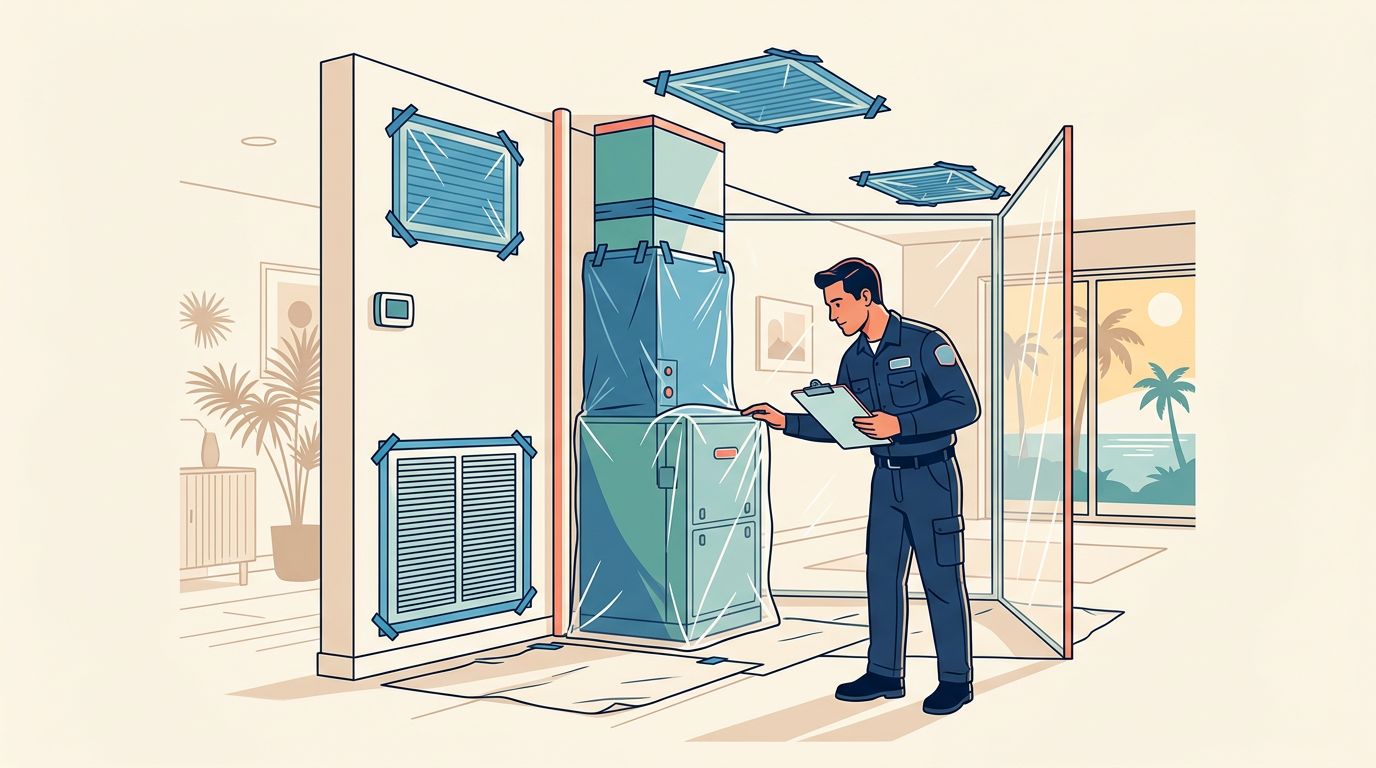
Cape Coral HVAC Permits for AC Replacements

Replacing an air conditioner in Cape Coral involves more than setting a new condenser on the existing pad. Cape Coral HVAC permits tell the city what mechanical work is planned, which documents support it, and which inspections may apply.
Most residential replacements use the city's "A/C Change Out - Residential" permit. However, that permit covers the stated HVAC scope only. Electrical changes, structural work, gas piping, and certain site conditions may require separate review. Knowing the difference helps you compare estimates and avoid surprises before installation begins.
What Cape Coral HVAC permits cover
The City of Cape Coral's residential changeout guidance applies to air-conditioning replacements at one- and two-family homes. It also explains when ductwork can be included with the same permit.
The standard residential changeout
The permit covers the replacement of residential A/C equipment within the approved project scope. That may include replacing the outdoor condenser, indoor equipment, and related HVAC installation work described in the application.
The application requires an HVAC Data Sheet . This document gives the city information about the equipment being installed and supports the mechanical review.
As of August 2026, Florida uses the Florida Building Code, 8th Edition, which took effect in 2023. Its mechanical, existing-building, energy-conservation, and equipment-installation requirements apply when permitted HVAC equipment is replaced.
Florida code requirements can also affect outdoor equipment. Replacement mechanical equipment may need appropriate debris-impact protection, anchoring, or installation details for the property and location.
What the permit does not cover automatically
A residential A/C changeout permit isn't a blanket approval for every task performed during a replacement. It doesn't automatically authorize new electrical circuits, panel upgrades, structural changes, gas-piping work, roof modifications, or unrelated construction.
The permit also doesn't guarantee that the system will be properly sized or that the installation will perform well after the inspection. It confirms that the city has reviewed the described work under its permitting process. Workmanship, equipment selection, airflow, humidity control, and maintenance still matter.
If a contractor handles the full process, ask who submits the application and schedules inspections. Sunset Gulf HVAC describes its complete AC replacement services as including permit and inspection coordination when required.
How Cape Coral HVAC permits handle ductwork
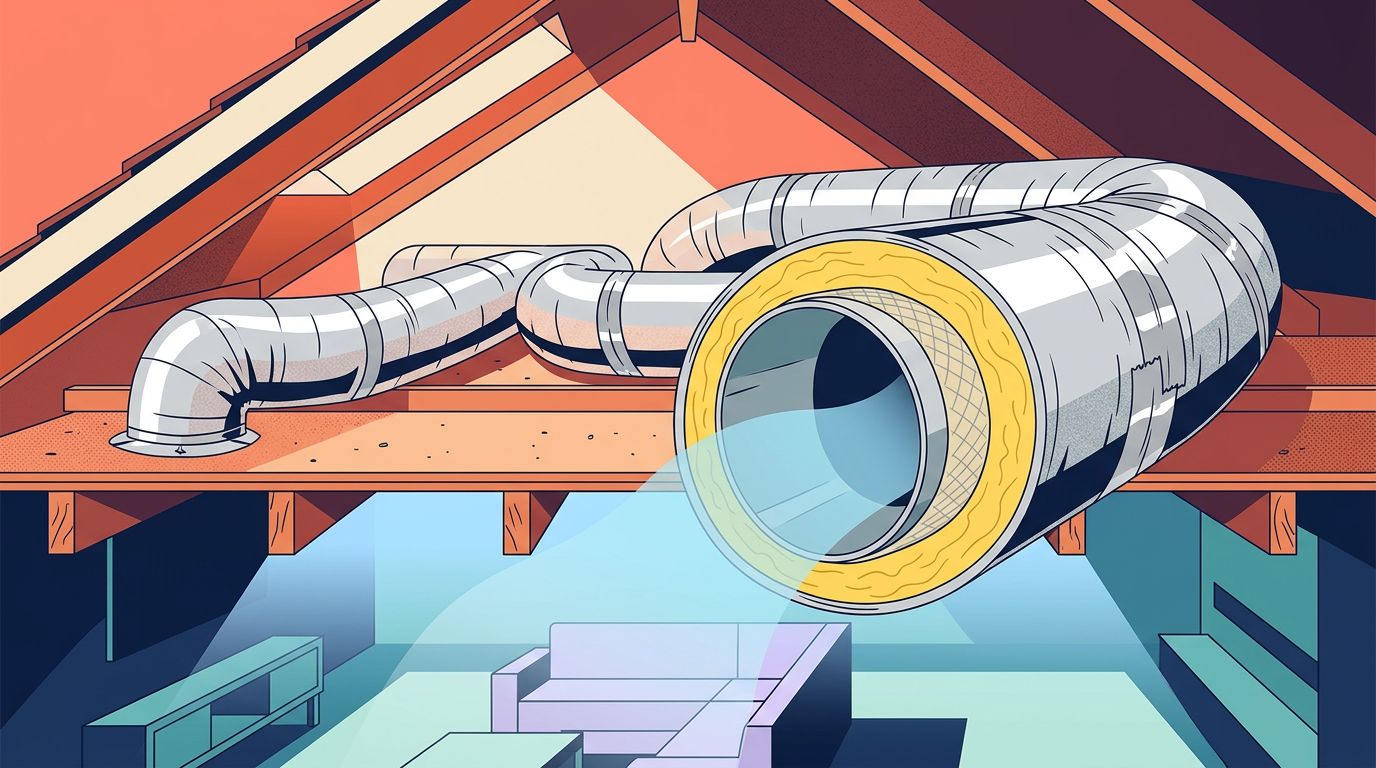
Ductwork is one area where Cape Coral's rules are more homeowner-friendly than many people expect. The city's residential guideline allows duct repair or replacement to be included with an A/C changeout when both are part of the same project.
Duct repair and replacement may be included
If the installer replaces damaged flex duct, repairs sections, or changes ductwork as part of the equipment replacement, the residential A/C changeout permit can cover that duct scope.
The contractor still needs to describe the work accurately. Replacing a short damaged section is different from redesigning the entire distribution system, changing a plenum, modifying a return chase, or opening walls and ceilings.
For combined equipment and duct jobs, Cape Coral HVAC permits should match the actual work planned. A low estimate that excludes duct modifications may change after the installer sees the system.
A duct plan may be required
Cape Coral's current residential guidance requires a duct plan when ductwork is part of the project. The city also states that duct certification must be posted on-site only.
Before signing, ask whether the quote includes the duct plan, the labor, and any access work needed to reach the ducts. If the project affects framing, drywall, soffits, or other building components, the contractor should identify whether those portions need additional review.
When electrical work needs separate review
Electrical work often creates confusion during an air-conditioner replacement. A contractor may reuse an existing disconnect and circuit, but that doesn't mean every electrical change belongs under the HVAC permit.
Ordinary changeouts and existing wiring
Cape Coral's current residential A/C changeout guideline doesn't state that every ordinary replacement requires a separate electrical permit. It also doesn't give an HVAC permit unlimited authority to modify the home's electrical system.
Ask whether the project will change the disconnect, branch circuit, wiring size, conduit, breaker, service panel, or equipment location. If the answer is yes, ask who will handle the electrical permit and whether a licensed electrician must perform that part of the work.
The written scope should identify electrical work instead of hiding it inside a general "installation" line. That detail protects you from unexpected charges and helps the city review the correct trade work.
New mini-split systems are different
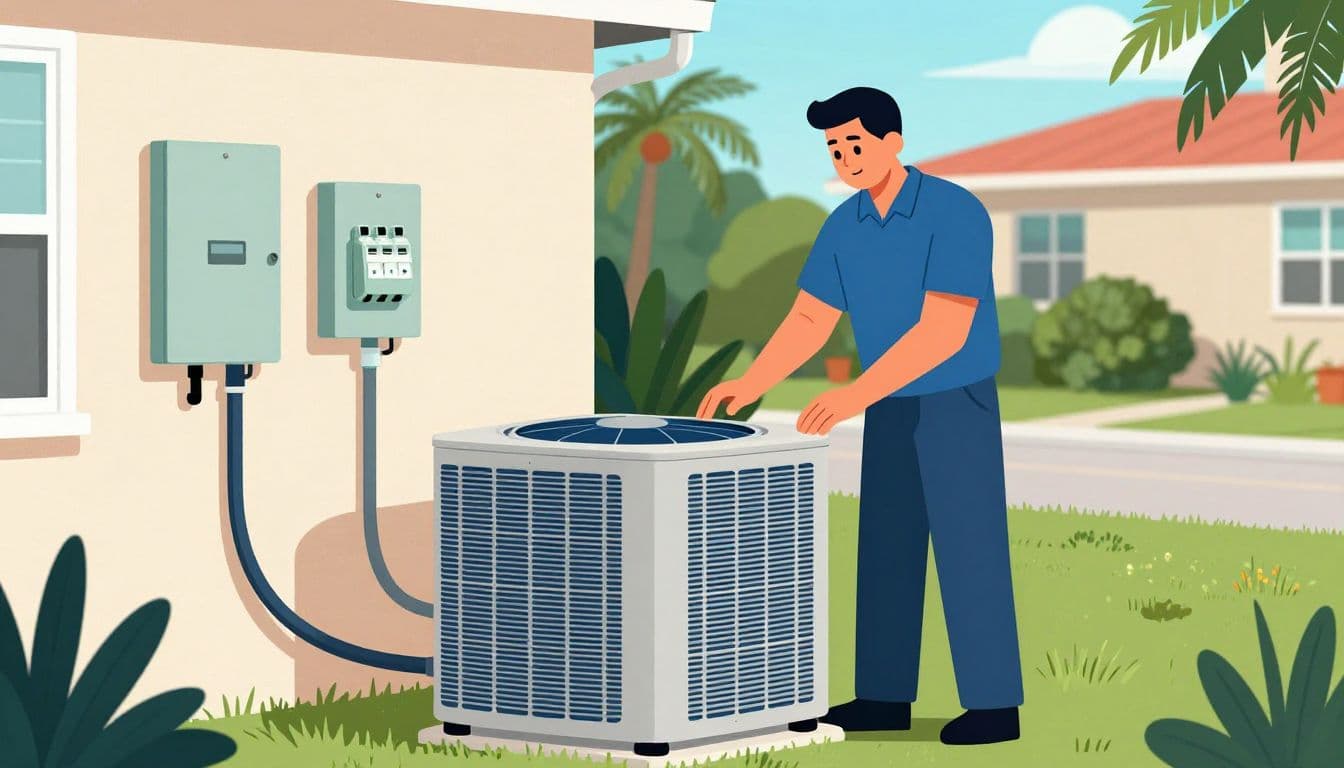
Cape Coral specifically states that a new mini-split system requires a separate electrical miscellaneous permit. An electrician must pull that permit.
This requirement is important when a homeowner adds a mini-split in a garage, bedroom, lanai, workshop, or addition. A new system may need a new circuit and outdoor disconnect, so the mechanical equipment permit alone doesn't cover the complete installation.
Structural, floodplain, and gas considerations
The equipment permit covers HVAC installation, but the property itself can create additional requirements. Cape Coral's coastal conditions and flood-prone areas make the equipment location part of the conversation.
Outdoor equipment may need anchoring review
Florida's current code materials clarify that debris-impact provisions can apply to replacement mechanical equipment. Outdoor condenser placement, protection, and anchoring therefore deserve attention even when the new unit sits near the old one.
Cape Coral's residential changeout guidance doesn't list one universal structural form for every replacement. The needed documentation can depend on the equipment location, property conditions, floodplain status, and whether the installation changes a pad, platform, wall, roof, or other building component.
Don't assume that an existing pad or mounting arrangement automatically works for the new equipment. The replacement unit may have different dimensions, weight, clearance needs, or anchoring requirements.
Gas lines and other associated work
A straight electric A/C replacement usually doesn't involve gas piping. Cape Coral's residential changeout guidance doesn't list a gas permit as part of a standard replacement.
The situation changes if the project adds or alters gas-fired heating equipment, a gas line, or another gas appliance. That work needs the appropriate trade review and may require a separate permit or approval. Ask the contractor to list gas-related work separately rather than treating it as part of the A/C changeout.
The same approach applies to plumbing, roof penetrations, wall changes, and major concrete or framing work. Each added scope should be reviewed based on the work involved and the city's current requirements.
Documents and inspections homeowners should expect
Paperwork varies with the project, but Cape Coral's residential guidance identifies several common documents and inspection stages.
Application documents and permit applicants
Registered contractors generally apply through Cape Coral's CSS portal and select "A/C Change Out - Residential." The city lists CAC and CMC contractors among the eligible applicants. An owner-builder can also apply, but the city requires in-person processing with notarized owner-builder paperwork.
The HVAC Data Sheet is always required under the current residential guideline. A duct plan is required when the project includes ductwork.
Other documents may apply only under certain conditions:
- A Notice of Commencement may be required when the project reaches the city's applicable valuation threshold.
- A FEMA packet or Elevation Certificate may apply to the property.
- Floodplain review may be required for the installation location.
- Private Provider documents are needed if the project uses private-provider plan review or inspection.
Cape Coral's posted materials have shown different Notice of Commencement valuation figures over time. Verify the current threshold with Cape Coral's Permit Document Center or the contractor handling the application instead of relying on an older PDF.
Inspections are tied to the approved scope
The city lists an HVAC rough inspection when applicable and an HVAC final inspection. Projects using a private provider may also involve debris inspection or a Private Provider Compliance Report.
Your contractor should tell you which inspections apply and when each one will occur. Ask whether work must remain accessible for a rough inspection before insulation, drywall, or other covering materials are installed.
A passed inspection is an important checkpoint, but it isn't a promise that the system will deliver perfect comfort or remain trouble-free. It also doesn't replace a careful startup, airflow check, drain test, thermostat setup, and homeowner review.
Fees and processing times can change
Don't rely on an old online fee schedule or a quoted processing time from another project. Permit costs and turnaround depend on the current city schedule, project value, permit type, review needs, and any additional trade permits.
Ask for a written estimate that separates equipment, installation, permit charges, electrical work, ductwork, inspections, and possible site-related requirements. The contractor or city can provide the current fee and timing details before you approve the work.
A homeowner checklist before AC replacement
A clear conversation before installation can prevent most permit misunderstandings.
Ask these questions before signing
Confirm that the proposal answers each point below:
- Does the project use Cape Coral's "A/C Change Out - Residential" permit?
- Does the permit scope include the indoor and outdoor equipment being replaced?
- Is duct repair or replacement included, and will the contractor provide the required duct plan?
- Will the job add a mini-split, circuit, disconnect, panel work, or new wiring?
- Could the property require floodplain, FEMA, elevation, anchoring, or other site review?
- Who will pull each permit, arrange inspections, and provide the final permit record?
- Are permit charges and possible additional trade work shown separately in the estimate?
Check the replacement plan, not only the permit
A permit doesn't determine whether the equipment is the right size for your home. Ask how the contractor selected the capacity and whether the evaluation considered insulation, windows, sun exposure, ceiling height, duct condition, and indoor humidity.
Oversized equipment can cool a home quickly while removing less moisture. A properly matched system usually provides steadier temperatures and better humidity control in Cape Coral's hot, damp weather.
The best quote is clear about both compliance and comfort. It explains what the city permit covers, what it doesn't cover, and who handles every additional approval.
Conclusion
Cape Coral HVAC permits generally cover residential A/C changeouts and can include duct repair or replacement when that work is part of the approved scope. New mini-splits require a separate electrical miscellaneous permit, while structural, floodplain, gas, and other associated work depend on the property's conditions and the project's details.
Before work starts, compare the permit scope with the written estimate. Cape Coral HVAC permits are one part of a safe replacement, while correct sizing, careful installation, required inspections, and clear responsibility for extra work complete the job.
Recent Posts