Water Heater Replacement Cape Coral: Signs to Act On
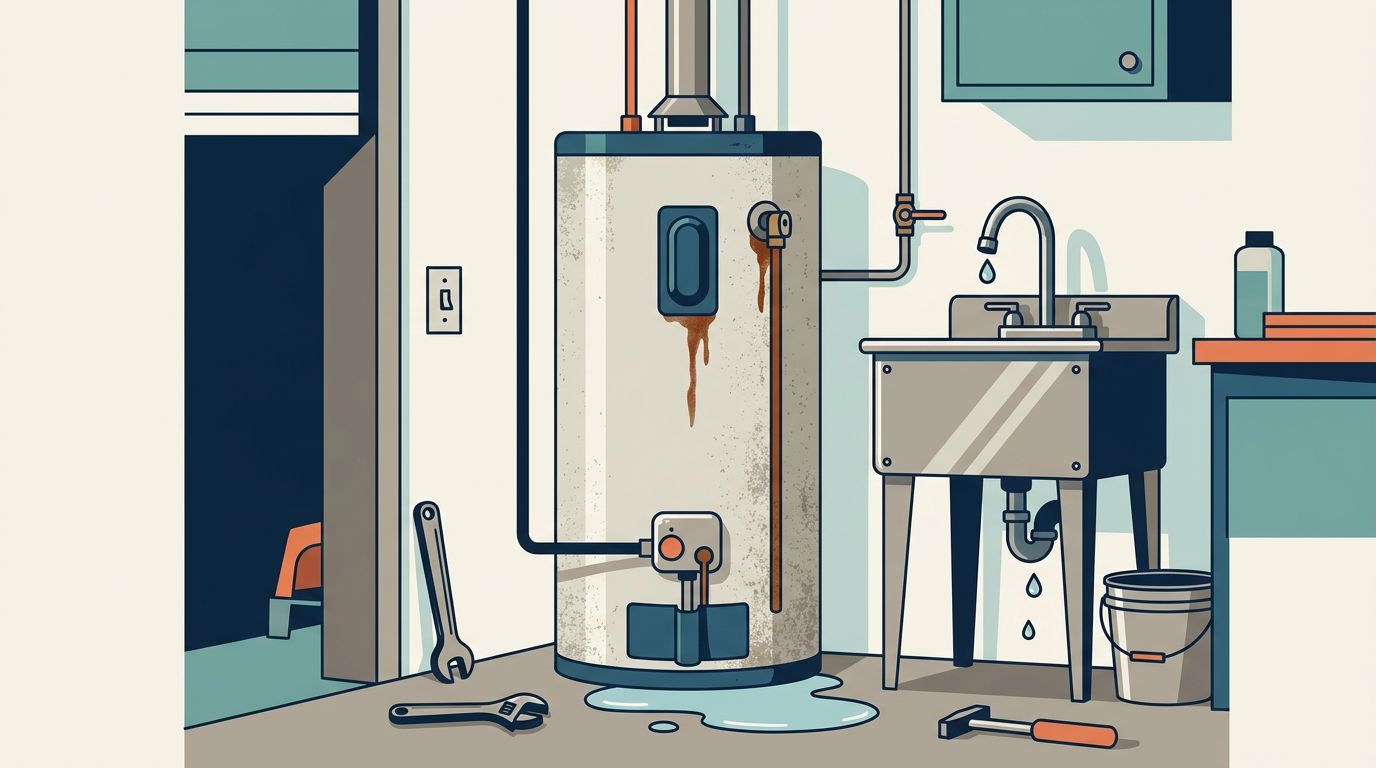
Water heaters often give warning before they stop working completely. A small puddle, rusty hot water, or showers that turn cold too soon can point to a failing part or tank.
If you're comparing water heater replacement Cape Coral options, start by identifying the warning sign and its urgency. Some problems respond well to a repair, while others mean the tank itself has reached the end of its service life.
A professional inspection can separate a failing heating element from internal corrosion. It can also help you choose a replacement based on age, maintenance history, household demand, energy use, and corrosion risk.
The First Warning Signs to Check
Look around the heater every few weeks, especially if it sits in a garage, utility closet, or other area where a slow leak could go unnoticed.
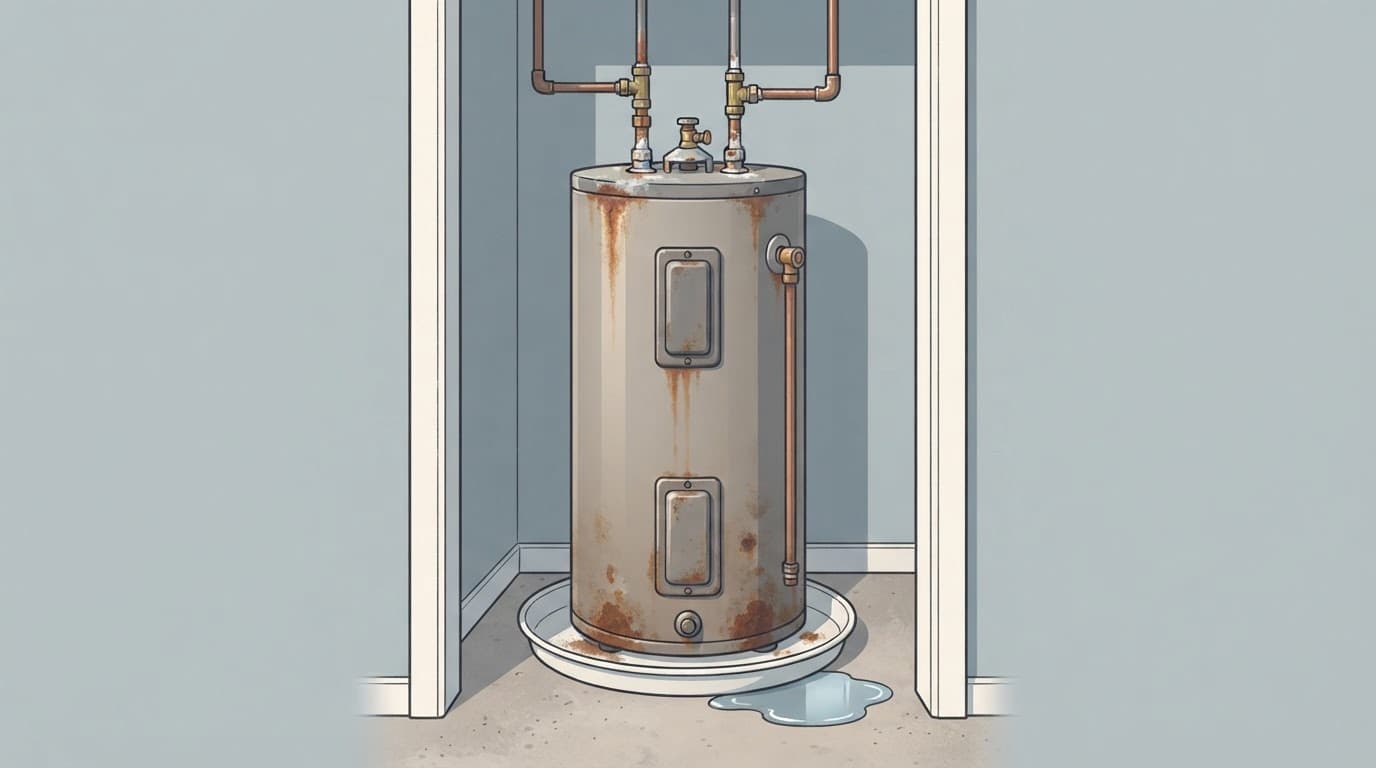
Water pooling under the tank
Water at the base is one of the clearest signs of trouble. The source could be a loose connection, drain valve, temperature-and-pressure relief valve, or a leak in the tank itself.
A connection or valve may be repairable. However, water coming through the tank shell, bottom, or a visible seam usually means the steel vessel has failed. A tank replacement is normally the practical answer.
Treat an active leak as urgent. If you can reach the cold-water shutoff without stepping through water or touching wet electrical parts, close it. Otherwise, keep clear and call a qualified professional.
A leaking fitting may need a repair, but a leaking tank shell usually cannot be patched safely for long-term use.
Rusty hot water or visible corrosion
Brown, orange, or rusty water at hot taps can indicate corrosion inside the tank. Sediment and a depleted anode rod can also affect water quality and reduce tank protection.
First, notice whether the discoloration appears only at hot faucets. If both hot and cold water look affected, the problem may involve household plumbing rather than the heater alone.
Surface rust around a fitting may be serviceable. Rust along the tank body, base, or seams is more serious. A technician should inspect it promptly, especially when the unit is older or the rust keeps returning.
Popping, rumbling, or cracking sounds
Popping and rumbling often come from sediment collecting at the bottom of a tank. As the burner or heating element warms the water, trapped pockets can make noise and reduce heat transfer.
A flush may help when the tank is structurally sound and the buildup is limited. On an older heater, repeated noise can point to years of sediment stress and declining efficiency.
Don't remove covers or attempt to flush a gas or electric heater unless you know the correct safety procedure. A technician can check the tank, heating components, and valves during the same visit.
Performance Problems That Need Attention
A water heater can also show trouble through changes in temperature, supply, and operating cost. These symptoms don't always require replacement, but they deserve a diagnosis.
Hot water runs out too soon
A shorter hot-water supply can result from sediment buildup, a failed heating element, a thermostat problem, or a tank that no longer meets the household's demand.
If the tank is fairly new and the vessel is sound, replacing an element or thermostat may restore performance. Replacement becomes more reasonable when the unit is older, the problem returns, or the household has added bathrooms, appliances, or occupants.
Ask the technician to check recovery performance and tank capacity before choosing a new model. A larger household may need a different size or a system that handles peak demand more effectively.
Water temperature keeps changing
Water that shifts between warm and hot can point to a thermostat, heating element, mixing valve, burner, or gas control problem. A temperature that becomes dangerously hot also creates a scalding risk.
A single failed component may be repairable. Still, an older heater with unstable temperature and other symptoms may cost less trouble to replace than to keep repairing.
Call promptly if the temperature changes are severe, the heater shuts down, or the relief valve discharges. Don't adjust gas controls or electrical components without a qualified professional.
Energy use rises without a change in habits
A sudden increase in energy use may occur when sediment insulates the heating surface or a component struggles to heat the tank. Poor insulation and an aging unit can also reduce efficiency.
Compare recent utility use with your household's normal pattern. If energy consumption rises alongside slow recovery, noise, or inconsistent water temperature, ask for an efficiency and condition check.
Repairs keep becoming more frequent
One repair doesn't automatically mean the heater needs replacement. A newer tank with one failed element or valve may be a good repair candidate.
The calculation changes when several parts fail within a short period. Add the heater's age, maintenance history, corrosion risk, and condition of the tank shell. Those details can show whether another repair is sensible or only delays a larger failure.
When Water Heater Replacement Cape Coral Makes Sense
Age provides useful context, but it shouldn't be the only factor in the decision. A trained inspection should consider the complete condition of the system.
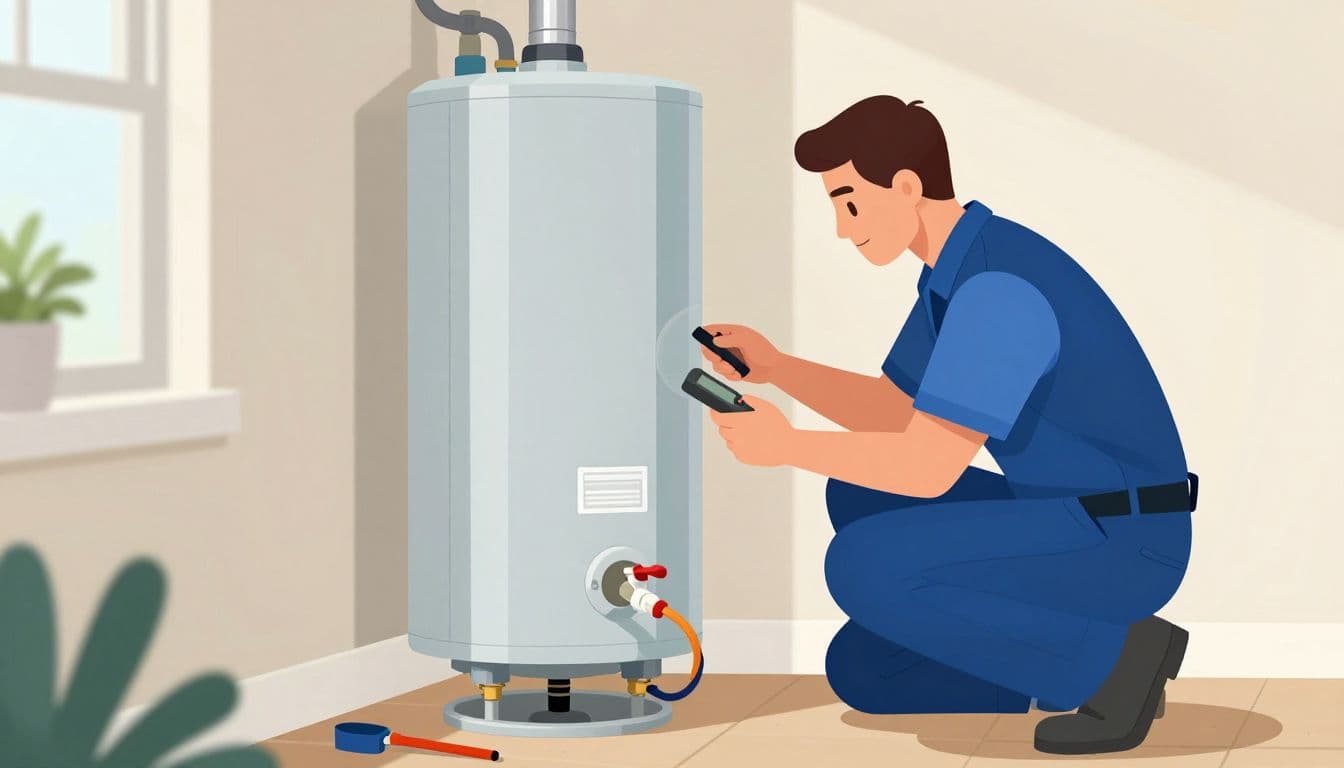
Check the age and maintenance history
Standard tank water heaters commonly last about 8 to 12 years . A 10-year-old unit with leaks, rust, noise, or repeated repairs deserves close attention.
Find the manufacturer label and record the model and serial number. If the installation date is unknown, the serial number may help a professional estimate the unit's age.
Maintenance history matters too. Regular inspection, flushing, and anode-rod service can support a longer service life, but maintenance cannot reverse a failed tank shell. Tankless systems often last 20 years or more with proper maintenance, including periodic descaling.
Inspect the tank condition
A replacement is more likely when corrosion affects the tank body, the base is wet, or the heater has developed several symptoms at once. These conditions involve the storage vessel rather than a replaceable accessory.
A sound tank with a failed thermostat, element, or valve may only need a repair. However, the same repair on an old, corroded unit may not provide dependable value.
Ask for a written diagnosis that identifies the failed part, the tank condition, and any signs of pressure or installation problems. This makes it easier to compare repair and replacement choices.
Match the system to your household
Your hot-water demand should guide the replacement. Consider how many people live in the home, how often showers run close together, and whether appliances use hot water at the same time.
Energy efficiency also matters, but a highly efficient unit can still disappoint if it is undersized. Tell the plumber about your normal usage, available space, fuel type, and plans to remodel or add bathrooms.
A water heater replacement Cape Coral plan should fit the home you have now and the demand you expect in the next several years.
Choose the Right Replacement for Your Home
Once replacement makes sense, compare the equipment and installation requirements together. The lowest initial price may not fit your available power, gas supply, space, or daily usage.
Compare tank and tankless options
Traditional tank heaters store and heat a set volume of water. They are common in existing homes and usually involve a simpler replacement when the fuel type and location stay the same.
Tankless heaters heat water as needed and can offer a longer service life with regular maintenance. They often cost more to install, and a gas model may need different venting or a larger gas line. An electric model may require an electrical capacity review.
Tankless isn't automatically the right choice for every Cape Coral home. Compare installation complexity, available space, expected demand, maintenance needs, and long-term energy goals with a licensed professional.
Confirm permits and safety components
Before work begins, ask which permits and inspections apply to the project. Cape Coral uses the EnerGov Self-Service Portal for permit applications, but requirements can change based on the equipment and scope of work.
A licensed plumber should confirm whether the project needs plumbing, electrical, or gas-related permits. The installer should also follow the current Florida Building Code and the manufacturer's instructions.
Ask whether the installation includes the required safety details for your system, such as:
- A properly sized drain pan where the location requires one.
- Correct temperature-and-pressure relief valve discharge piping.
- An expansion tank when the home's hot-water system configuration calls for it.
- Safe gas venting and combustion air for gas equipment.
- Accessible shutoff valves and service connections.
These details protect the home and help the new heater operate as designed.
What to Do When You Notice a Problem
Use this checklist when your water heater starts leaking, making noise, or losing performance:
- Record the heater's age, model, recent repairs, and maintenance history.
- Note where water appears, whether the leak is active, and whether only hot water looks discolored.
- If water is leaking and the shutoff is easy to reach, close the cold-water supply without stepping into standing water.
- If water is near electrical parts, stay away from the heater and nearby wiring. Only switch off the breaker if you can do so without approaching a wet or unsafe area.
- If you smell gas, leave the home and contact the gas utility or emergency services. Don't operate switches, use flames, or try to diagnose the appliance.
- Don't remove electrical access panels, disconnect gas lines, test a relief valve, cap its discharge pipe, or attempt major plumbing work.
- Ask for an inspection that compares repair and replacement based on tank condition, age, efficiency, demand, corrosion risk, and current code requirements.
When you schedule water heater replacement Cape Coral service, choose a licensed local provider that gives a clear diagnosis before recommending equipment. You can also meet the Sunset Gulf HVAC team before arranging a visit.
Schedule an Inspection Before a Small Sign Becomes a Leak
A water heater near the end of its 8-to-12-year tank life deserves attention when it shows rust, noise, leaks, temperature changes, or repeated failures. A newer unit may need a focused repair, while an aging or corroded tank usually calls for planned replacement.
Don't wait for a full tank rupture to make the decision. Schedule an inspection with a qualified local plumber, confirm current Cape Coral permitting requirements, and choose equipment that matches your home's hot-water demand and safety needs.
Recent Posts