Heat Pump Defrost Cycle in Babcock Ranch: What to Expect
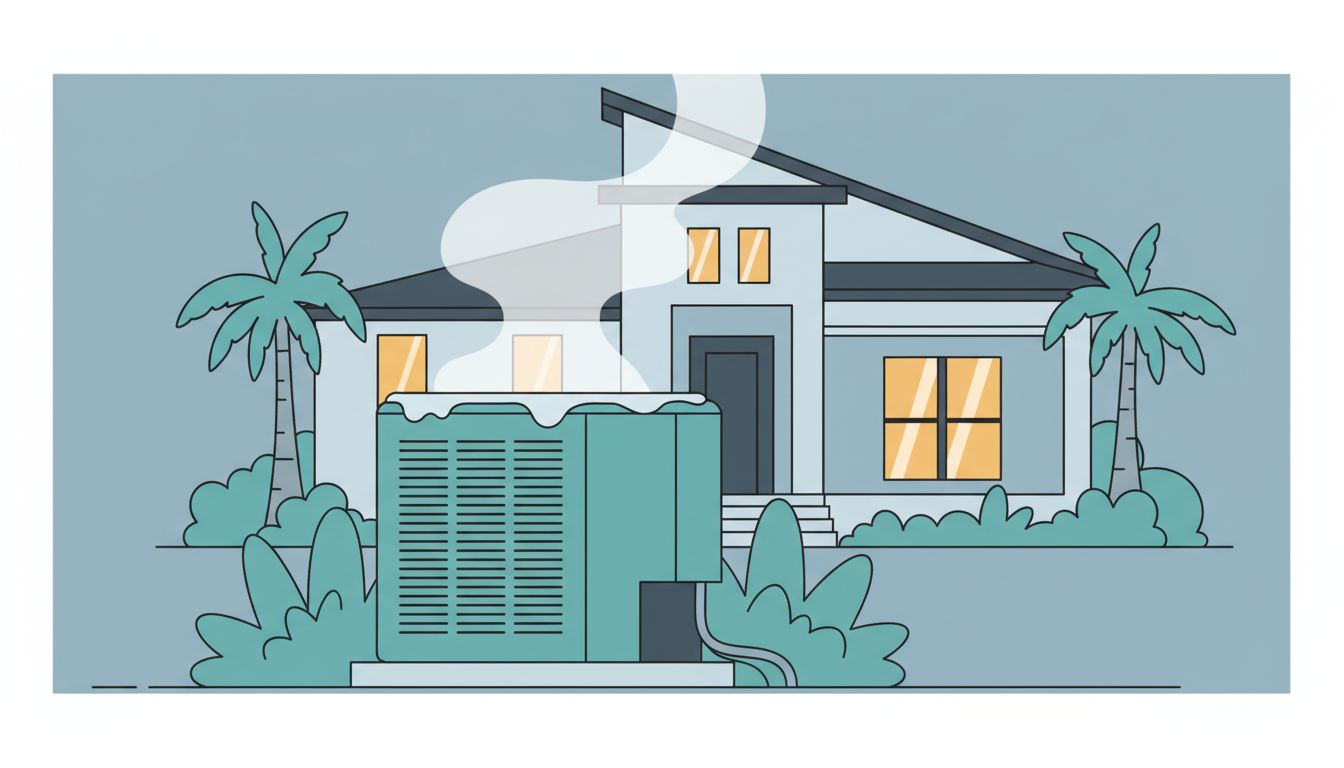
A heat pump defrost cycle can sound alarming when you hear the outdoor unit change pitch, stop its fan, or release a cloud of vapor. In most cases, those signs mean the system is protecting itself during a normal heating operation.
Babcock Ranch homeowners may notice defrosting on cool, damp mornings, even though Southwest Florida has mild winters. Understanding the process helps you separate normal operation from heavy icing, poor heating, or a heat pump that needs service.
Why Frost Can Form on a Heat Pump in Babcock Ranch
A heat pump moves heat instead of generating it with combustion. In heating mode, the outdoor coil absorbs heat from the air and transfers it indoors. Because refrigerant inside that coil may be colder than the outdoor air, moisture can collect and freeze on the coil surface.
That can happen when the air temperature is above 32 degrees. Humidity also matters. A damp morning gives the coil more moisture to collect, so frost can develop faster than it would on a dry day.
Babcock Ranch's climate creates a different pattern than a northern climate. Your heat pump may spend most of the year cooling your home, then switch into heating mode during a handful of chilly periods. When the outdoor air turns cool and humid, the unit may need to remove frost so air can keep moving through the coil.
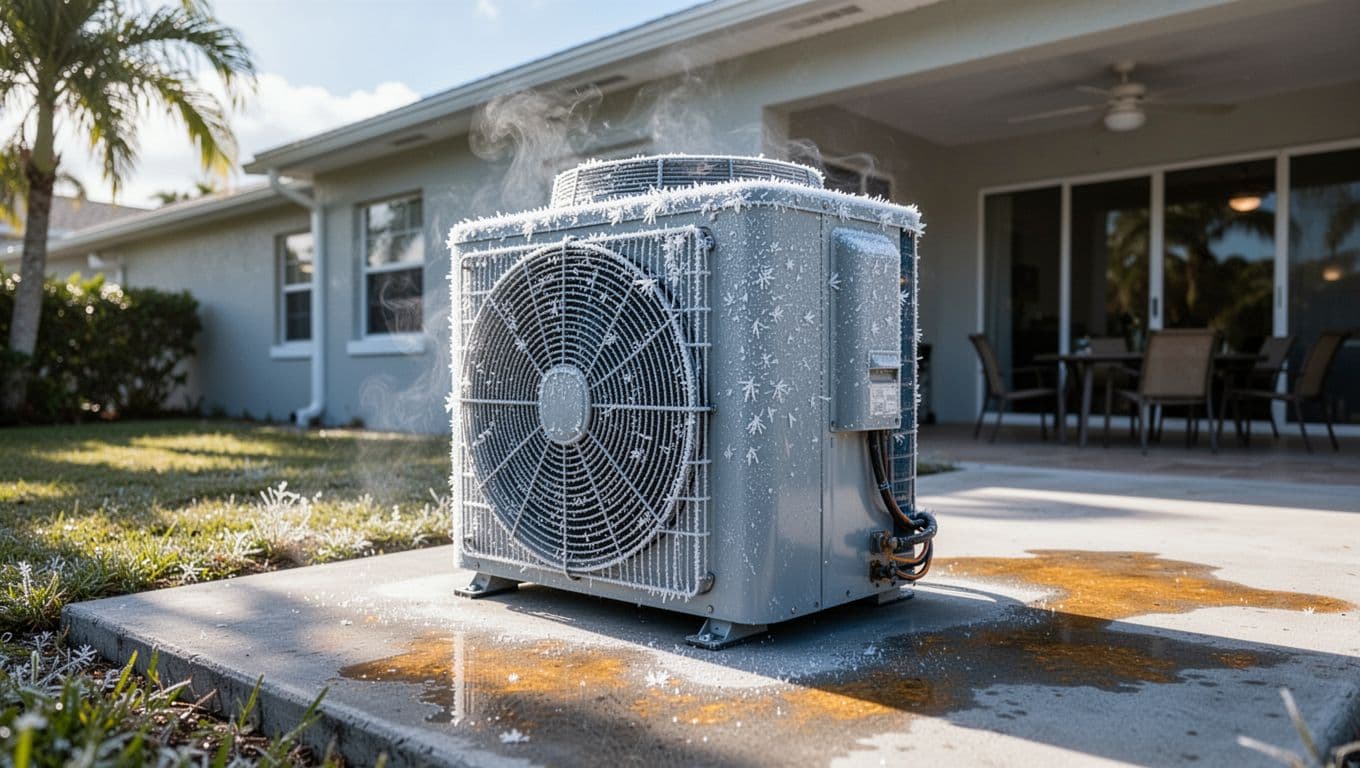
A light coating of frost isn't automatically a defect. The problem begins when ice remains on the coil, blocks airflow, or returns so often that the system can't heat the house properly.
A heat pump needs a clean outdoor coil to release heat during defrosting. Heavy debris, restricted airflow, or a clogged filter can make the cycle harder to complete.
What a Heat Pump Defrost Cycle Does, Step by Step
The heat pump's control board monitors conditions that suggest frost is forming. Depending on the model, it may use an outdoor coil temperature sensor, outdoor temperature readings, compressor run time, and other programmed conditions. The exact control method varies by manufacturer.
When the system decides defrosting is needed, the process usually follows these steps:
- The control board starts defrost mode after detecting conditions that can support frost buildup.
- The reversing valve changes the refrigerant direction. The system temporarily operates in a cooling configuration, which sends warm refrigerant through the outdoor coil.
- The outdoor fan often stops. This keeps the heat concentrated in the coil instead of carrying it away with outdoor airflow.
- The indoor blower may continue running. Many systems also activate supplemental electric heat so you don't feel a blast of cold air inside.
- Ice melts and water drains from the outdoor coil. You may see steam or vapor when warm refrigerant meets the cold outdoor air.
- Once the sensor detects that the coil has cleared, the system returns to heating mode. The outdoor fan starts again, and normal heat production resumes.
You may hear a click when the reversing valve shifts, followed by a change in compressor sound. A short period of cooler air from the vents can also occur, although auxiliary heat should reduce the temperature change on systems equipped with it.
The important point is that the heat pump defrost cycle is controlled automatically. You generally don't need to change the thermostat or turn the system off when a normal cycle begins.
How Long Should Defrosting Take?
A normal defrost cycle often lasts several minutes, commonly around 5 to 15 minutes. Some systems finish faster, while others take longer under damp conditions or after a heavier frost has formed. The manufacturer's controls determine the timing.
A healthy heat pump may defrost only occasionally in Babcock Ranch. It can happen more often during a stretch of cool, humid weather, especially when the system runs for long periods. Frequent heating demand gives frost more opportunities to form.
Use this quick guide when you notice the system changing sound or blowing slightly cooler air:
| What you notice | What it may mean | What to do |
|---|---|---|
| The outdoor fan stops briefly | Normal defrost operation | Let the cycle finish |
| Water or light vapor appears outside | Melting frost on the coil | Keep people clear of the unit |
| The thermostat shows auxiliary heat | Supplemental heat is supporting comfort | Check whether the display clears afterward |
| The unit stays covered in ice | Defrosting may not be working | Schedule HVAC service |
| The system repeats cycles very often | A control, airflow, refrigerant, or coil issue may exist | Arrange an inspection |
The cycle should end on its own. If your home remains comfortable and the outdoor coil clears, the event was probably routine.
Normal Sounds Versus Heat Pump Defrost Problems
The sound of a defrosting heat pump can surprise anyone who hasn't heard it before. A brief hiss, click, or change in compressor tone is common when refrigerant changes direction. The outdoor fan may stop while the compressor continues to run, and water may drip beneath the unit.
Signs that usually indicate normal operation
During a typical cycle, the unit may show several temporary changes:
- The outdoor fan stops for a short period.
- The compressor sounds different than it does during heating.
- A small amount of steam rises from the outdoor coil.
- The indoor air feels less warm for a few minutes.
- The system returns to heating without anyone touching the thermostat.
Those changes should be temporary. The outdoor coil should clear, and the indoor temperature should recover after the system switches back.
Signs that point to a service issue
Call a qualified HVAC technician if you see heavy ice buildup across the coil, especially when the ice remains after the system has had time to defrost. Ice can block airflow and place extra strain on the compressor.
Frequent cycling also deserves attention. A heat pump that enters defrost every few minutes, or seems to stay in defrost for an unusually long time, may have a faulty coil sensor, control board, reversing valve, or outdoor fan motor. Low refrigerant and restricted airflow can create similar symptoms.
Unusual noises are another warning. Grinding, scraping, hard banging, or repeated electrical clicking doesn't match the gentle sound change of a normal defrost event. Persistent cold air from the vents is also a concern. Briefly cooler air may occur, but the home shouldn't stay cold after the cycle ends.
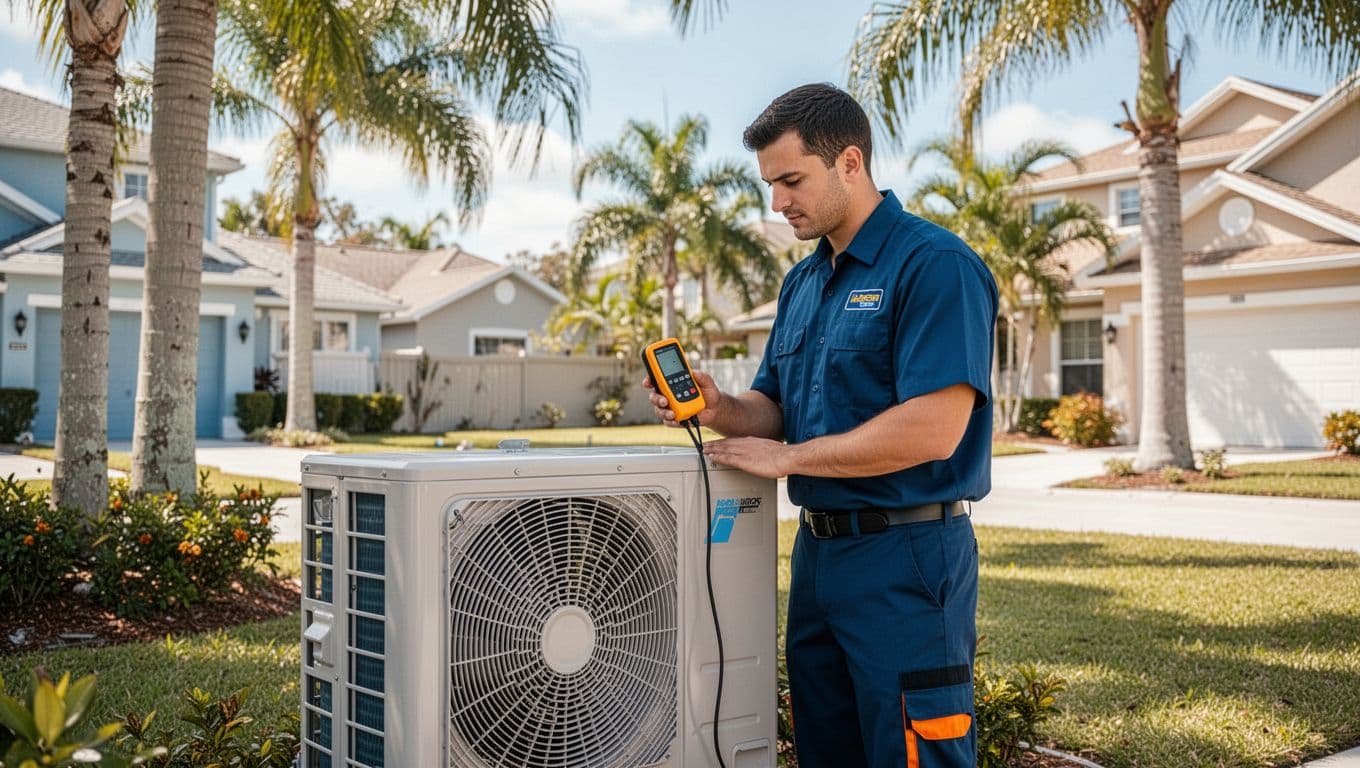
When the system stops heating completely, switch it off if the outdoor coil is heavily iced or the unit makes damaging sounds. A local HVAC repair team in Babcock Ranch can test the controls, airflow, refrigerant charge, electrical components, and reversing valve.
Don't chip ice from the coil with a tool. Sharp objects can damage the fins or refrigerant tubing. Pouring hot water over the unit can also create new problems when that water refreezes.
What Babcock Ranch Homeowners Can Do
You can take a few safe steps before requesting service. Start by checking the air filter. A dirty filter reduces indoor airflow, which can affect system performance and make the home feel colder during heating.
Look at the outdoor unit from a safe distance. Remove leaves, grass, and loose storm debris around the cabinet, but don't reach into the equipment while it operates. Keep furniture, decorations, mulch, and other materials away from the airflow openings.
Also check the thermostat setting. Confirm that the system is in heat mode and that the setpoint isn't changing because of a schedule or smart thermostat setting. If the display shows auxiliary heat for a short period during defrost, monitor whether it turns off after the cycle completes.
Routine maintenance gives a technician the chance to inspect the defrost sensor, coil condition, electrical connections, fan motor, refrigerant performance, and drainage. Sunset Gulf HVAC's Comfort Club maintenance membership includes scheduled tune-ups and system checks for homeowners who prefer planned care.
Because Southwest Florida systems deal with humidity, dust, storm debris, and long cooling seasons, maintenance matters even when you rarely use the heating function. A clean, correctly charged system has a better chance of completing defrost without trouble.
Conclusion
A heat pump defrost cycle is a short automatic process that removes frost from the outdoor coil. Brief fan stoppage, changing sounds, light vapor, and a temporary drop in indoor air temperature can all be normal.
Heavy ice, repeated defrosting, harsh noises, persistent cold air, or complete heating failure point to a problem. Watch what the system does after the cycle ends, and arrange service when the coil doesn't clear or your home can't stay comfortable.
Recent Posts