Heat Pump Water Heaters in Naples: Pros and Cons
Hot showers can use more electricity than many Naples homeowners realize. Heat pump water heaters can reduce that energy use, but they need the right space, drainage, and electrical setup to work well.
Instead of creating heat directly, these systems transfer heat from surrounding air into a storage tank. Naples' warm climate can help the technology perform efficiently, yet humidity, room size, operating noise, and installation costs still matter. Start with how the equipment works, then compare the benefits with the practical drawbacks.
How Heat Pump Water Heaters Work in Naples
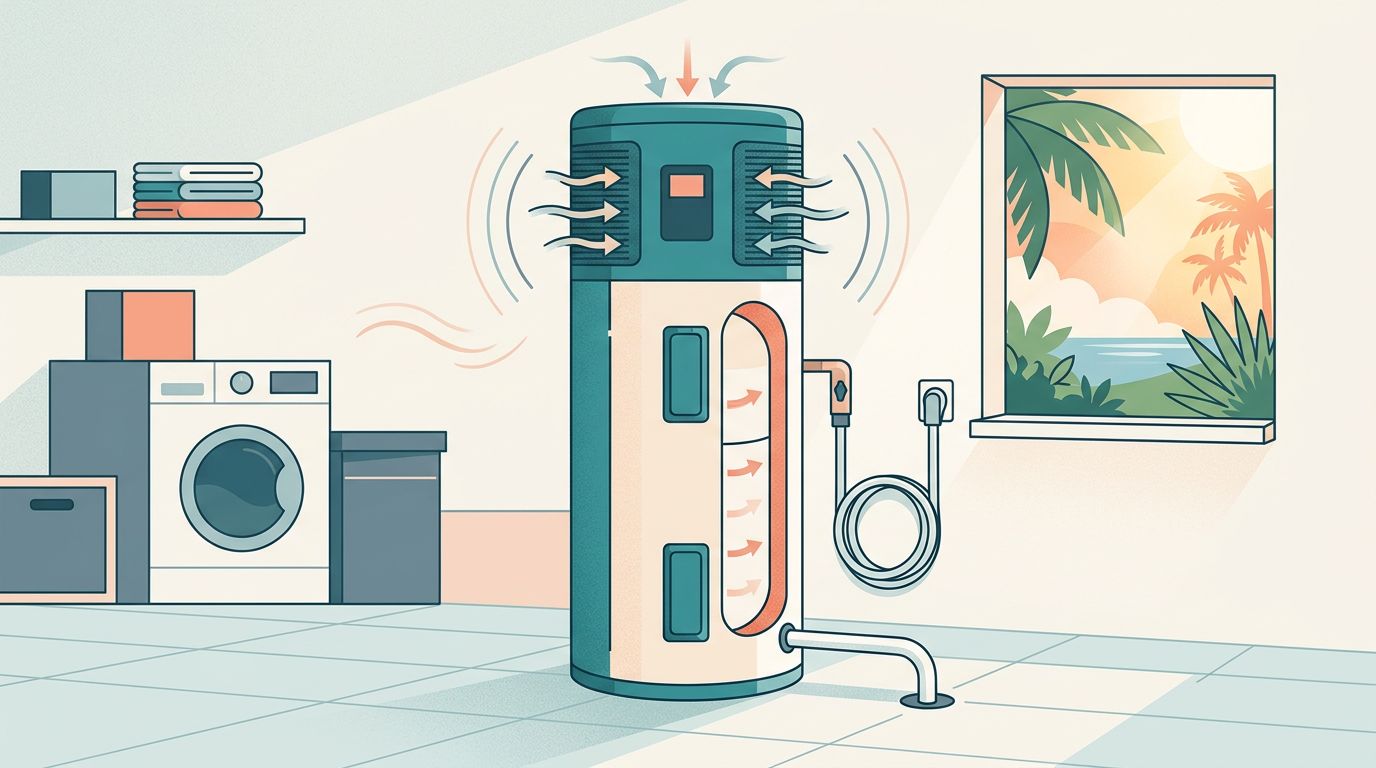
A heat pump water heater uses electricity to run a compressor, fan, and refrigerant system. The fan pulls in surrounding air, and the refrigerant cycle removes heat from that air. The system then transfers the heat into the water stored in the tank.
A standard electric water heater uses resistance heating elements. Electricity passes through those elements, which heat the water directly. A heat pump water heater moves existing heat instead, much like a refrigerator running in reverse.
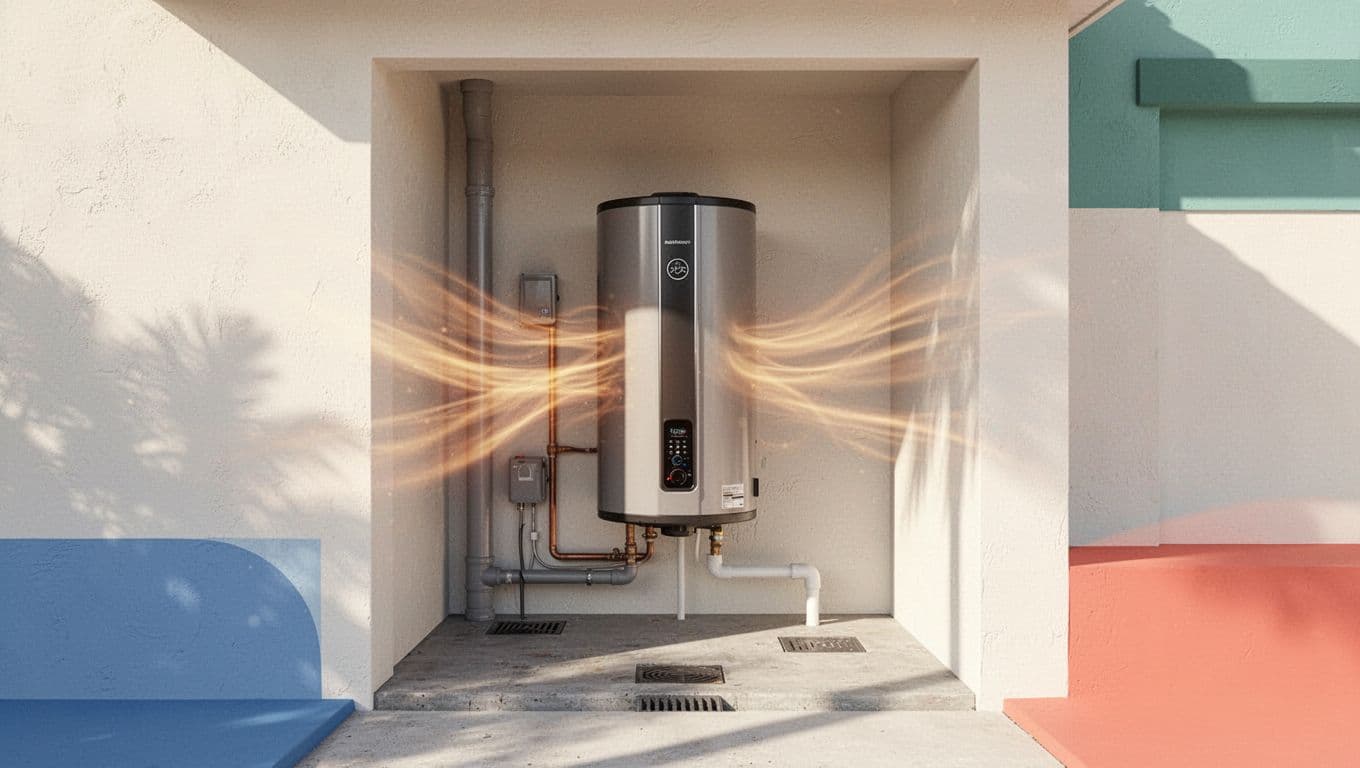
Most models are hybrid systems. They can use heat-pump operation for normal efficiency and switch to electric resistance backup when the household needs hot water quickly. Depending on the model, homeowners may select efficiency, hybrid, electric, or vacation modes.
The surrounding air affects performance. Warm air gives the unit more heat to collect, while colder air makes the system work harder. That makes many Naples garages, utility rooms, and well-ventilated service areas favorable locations.
However, the unit also cools and dehumidifies the air around it. That effect may help a hot, humid garage, but it can become a disadvantage in a small closet or tightly enclosed room.
The Main Benefits for Naples Homeowners
Lower electricity use
ENERGY STAR and U.S. Department of Energy materials describe heat pump water heaters as roughly two to three times more energy-efficient than conventional electric resistance models. Published efficiency ratings often show a heat pump water heater with an energy factor around 2 to 2.5, compared with about 0.9 for a typical electric unit.
That difference can reduce water-heating energy use over time. The potential savings are greatest in homes that currently use an electric tank and consume substantial hot water.
Florida field studies provide useful examples, although they don't predict every home's utility bill. A National Renewable Energy Laboratory study in Windermere reported approximately 64% annual water-heating savings compared with electric resistance heating. A U.S. Department of Energy case study in West Palm Beach recorded a coefficient of performance of 2.35 for the heat pump water heater, compared with 0.9 for a typical electric water heater.
The actual result in your home depends on your electric rate, household size, water-use habits, tank settings, and installation conditions.
Warm Florida air supports efficient operation
Naples has a long warm season, so a properly placed unit can draw heat from relatively warm surrounding air for much of the year. That climate advantage may help the compressor spend more time heating water efficiently instead of relying on resistance backup.
An open garage or larger utility area can provide the air volume the unit needs. The system may also remove some moisture from a humid space while operating. In the right location, that can make a garage feel slightly less damp.
Still, warm air alone doesn't guarantee strong performance. Blocked clearances, poor airflow, a restricted room, or an undersized system can reduce the expected benefit.
Useful operating flexibility
Hybrid controls give homeowners more than one way to manage hot-water demand. Economy mode may favor heat-pump operation, while hybrid mode can add resistance heating during periods of higher use.
That flexibility helps households with different routines. A couple with moderate demand may use efficient operation most of the time. A larger family may prefer hybrid settings during busy mornings, especially if several showers and appliances run close together.
The storage tank also provides a reserve of hot water. The heat pump doesn't need to heat every gallon instantly, which allows it to operate at a steady pace between demand periods.
A heat pump water heater can be highly efficient, but frequent use of electric backup heating reduces the gap between it and a standard electric tank.
The Drawbacks to Consider in a Naples Home
Condensate needs a safe drainage plan
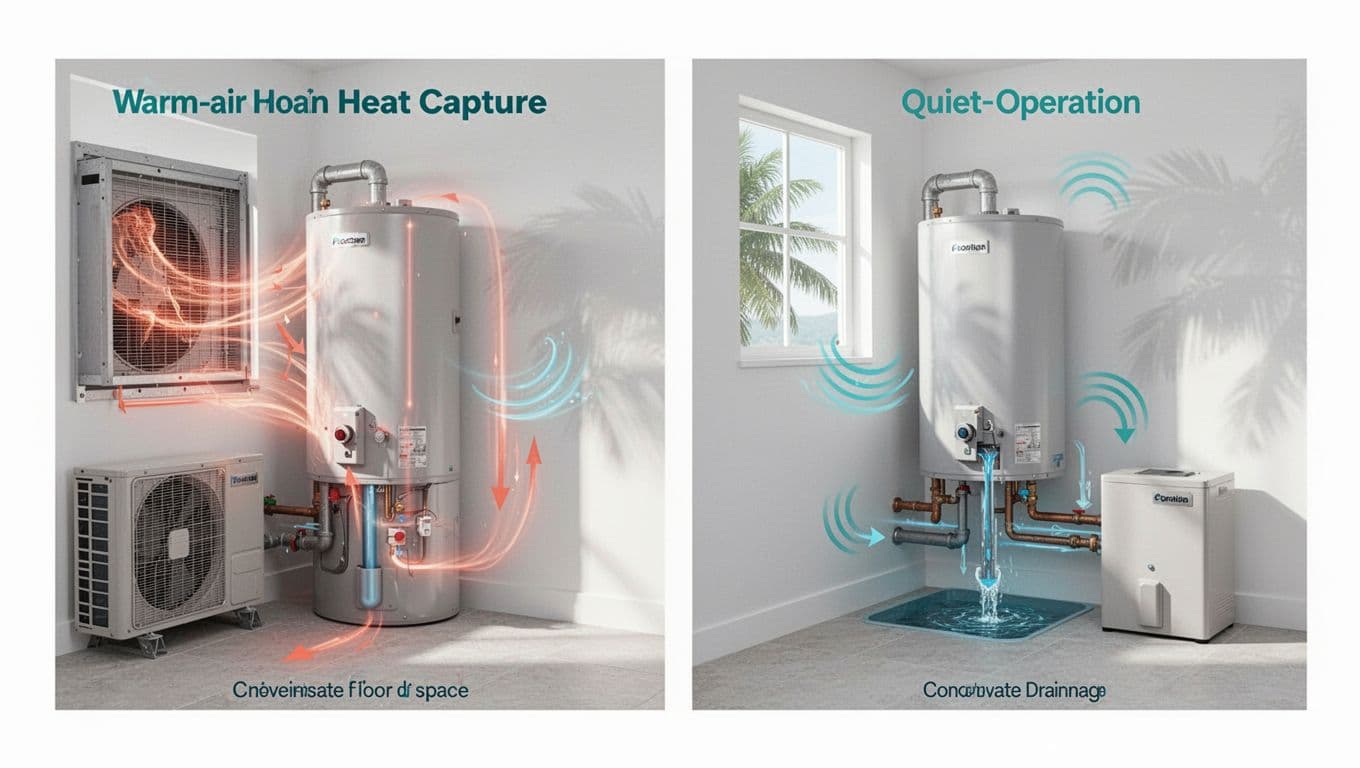
Because the system removes heat and moisture from the air, it produces condensate during normal heat-pump operation. That water needs a suitable drain path.
A garage, closet, or utility room may not have a convenient drain nearby. The installer may need to plan a gravity drain, condensate pump, drain pan, or another code-compliant solution based on the location and equipment instructions.
Poor condensate management can lead to standing water, staining, damaged flooring, or moisture problems. In a finished Naples home, this concern deserves attention before the equipment is purchased.
Limited utility space can restrict installation
A heat pump water heater needs room for the tank, heat-pump assembly, airflow, service access, and plumbing connections. The exact clearance requirements depend on the model, so the manufacturer's installation manual should guide the layout.
A small enclosed closet may not provide enough air volume. If the unit extracts heat from a confined space, it can cool that room too much and lose efficiency. Some models support ducting or other airflow arrangements, but those options depend on the product and the home's layout.
Measure the available space before comparing prices. A unit that fits the tank footprint may still lack enough clearance for maintenance or proper airflow.
Fan and compressor noise
A standard electric tank is mostly quiet because it has no compressor or air-moving fan. Heat pump water heaters make operating sounds as those components cycle.
The noise is often comparable to a refrigerator, dehumidifier, or small HVAC appliance. That may be acceptable in a garage or utility area. It can be distracting beside a bedroom, home office, or wall shared with a quiet living space.
Ask about the model's sound rating and listen to a similar unit if possible. Vibration control and a solid installation surface also matter.
Higher installation cost
The equipment often costs more upfront than a conventional electric water heater. Labor may also cost more when the project needs electrical changes, condensate drainage, structural adjustments, ducting, or new plumbing connections.
That doesn't make the system a poor choice. It means the payback depends on more than the equipment's efficiency rating. A low-cost installation with favorable usage may recover the difference faster than a complex installation in a low-use home.
What Installation Requires
A qualified local plumbing or HVAC professional should inspect the location before recommending a model. The assessment should cover:
- Available floor and service space around the tank.
- Air volume, ventilation, and possible ducting.
- Condensate drainage and protection from water damage.
- Electrical capacity and the circuit requirements for the selected model.
- Plumbing connections, shutoff access, temperature settings, and safety components.
- Applicable Florida plumbing, mechanical, electrical, and building requirements.
The installation must follow both local requirements and the manufacturer's instructions. Those instructions control clearances, airflow, drain connections, electrical details, and operating conditions.
Your existing water heater location may work well, but don't assume it will. A narrow interior closet may need changes, while a garage may offer better air volume but require a careful drainage and placement plan. The cooled exhaust air also needs to leave the space without creating a comfort problem.
Homeowners should request an itemized estimate. It should separate the equipment, labor, electrical work, drainage, permits or code-related work, and any needed modifications. That makes it easier to compare proposals accurately.
How to Judge Savings, Rebates, and Tax Credits
Published performance figures are useful for comparison, but they aren't a promise of a specific Naples utility bill. Your savings depend on the current water heater, electricity rates, household hot-water demand, installation quality, and how often the system uses resistance backup.
A qualified contractor can compare your current energy source with the proposed unit and review the conditions that affect performance. Ask for assumptions in writing, including estimated usage, operating mode, and any added installation work.
Rebates also require verification. Florida doesn't have one universal rebate that applies to every homeowner. Offers may come from the electric utility, municipal utility, cooperative, or local energy-efficiency program, and terms can change.
ENERGY STAR states that certified heat pump water heaters may qualify for a federal tax credit. The credit applies to qualifying equipment, not automatically to every product described as a heat pump water heater. Tax amounts, eligibility rules, deadlines, and filing requirements can change, so check current IRS and ENERGY STAR guidance before relying on the credit.
The strongest financial case usually exists when a home has an electric resistance tank, steady hot-water demand, a warm and open installation area, and a straightforward drainage plan. A site evaluation can show whether your home fits that profile.
Is a Heat Pump Water Heater Right for Your Naples Home?
Heat pump water heaters are worth serious consideration when energy efficiency is a priority and the home has a suitable installation location. Naples' warm air can support efficient operation, while the system's dehumidifying effect may help in some garages or utility spaces.
The choice becomes less attractive when the only available location is a tight closet, drainage is difficult, noise would affect living areas, or the home needs extensive electrical and construction work. High hot-water demand may also trigger more resistance heating, which lowers the expected savings.
Before choosing, have a professional inspect the space and compare the full installed cost with a standard replacement. The right decision should account for comfort, maintenance access, water protection, electrical requirements, available incentives, and expected use.
Conclusion
Heat pump water heaters transfer heat from surrounding air instead of creating heat directly. That design can reduce electricity use, and Naples' warm climate often gives the system favorable operating conditions.
The tradeoffs are just as practical: condensate drainage, airflow, room size, cooling effect, noise, backup heating, and installation cost all affect the result. A qualified local plumbing or HVAC professional can determine whether your home has the space and infrastructure for a reliable installation.
For many Naples homeowners, the best choice is the one that matches the home, not the one with the most impressive efficiency number. A careful site evaluation turns that comparison into a clear decision.
Recent Posts