HVAC Dust Control During Fort Myers Renovations
Drywall dust can reach a room you never opened during a renovation. A running blower may pull fine particles through return grilles and send them back through the house.
Good HVAC dust control starts before demolition, sanding, or tile cutting. Seal the work zone, collect dust at the tool, protect registers, and keep the air handler out of the dust stream.
Fort Myers humidity adds a second concern: you can't leave an air conditioner off for days without a plan. The safest approach protects airflow while limiting the hours construction dust can enter the system.
Why Renovation Dust Gets Into Fort Myers HVAC Systems
Construction dust is fine enough to slip through door gaps, plastic barriers, and open vents. Once it reaches the return side, the filter catches some particles, but bypass gaps or a loaded filter can let dust travel farther.
Return grilles are the main entry point
Return grilles pull room air toward the air handler. During drywall sanding or concrete cutting, that air can carry fine particles and debris toward the filter.
Supply registers usually release conditioned air, so they don't normally pull dust inward. Still, settled dust can blow into finished rooms when the blower starts. A return near the work zone deserves extra care because it connects directly to the system's air path.
Florida humidity changes the cleanup plan
Air conditioning also removes moisture, so a short shutdown for sanding differs from leaving it off through a hot weekend. Fort Myers homes can become humid quickly when the system stays off.
Keep the shutdown as short as practical. If the air handler sits in the work area or the job lasts for hours, ask the contractor and an HVAC professional for a cooling and containment plan.
HVAC Dust Control Starts with a Sealed Work Zone
Containment gives dust fewer routes into the home's air path. It also makes final cleanup easier because particles stay in one controlled area.
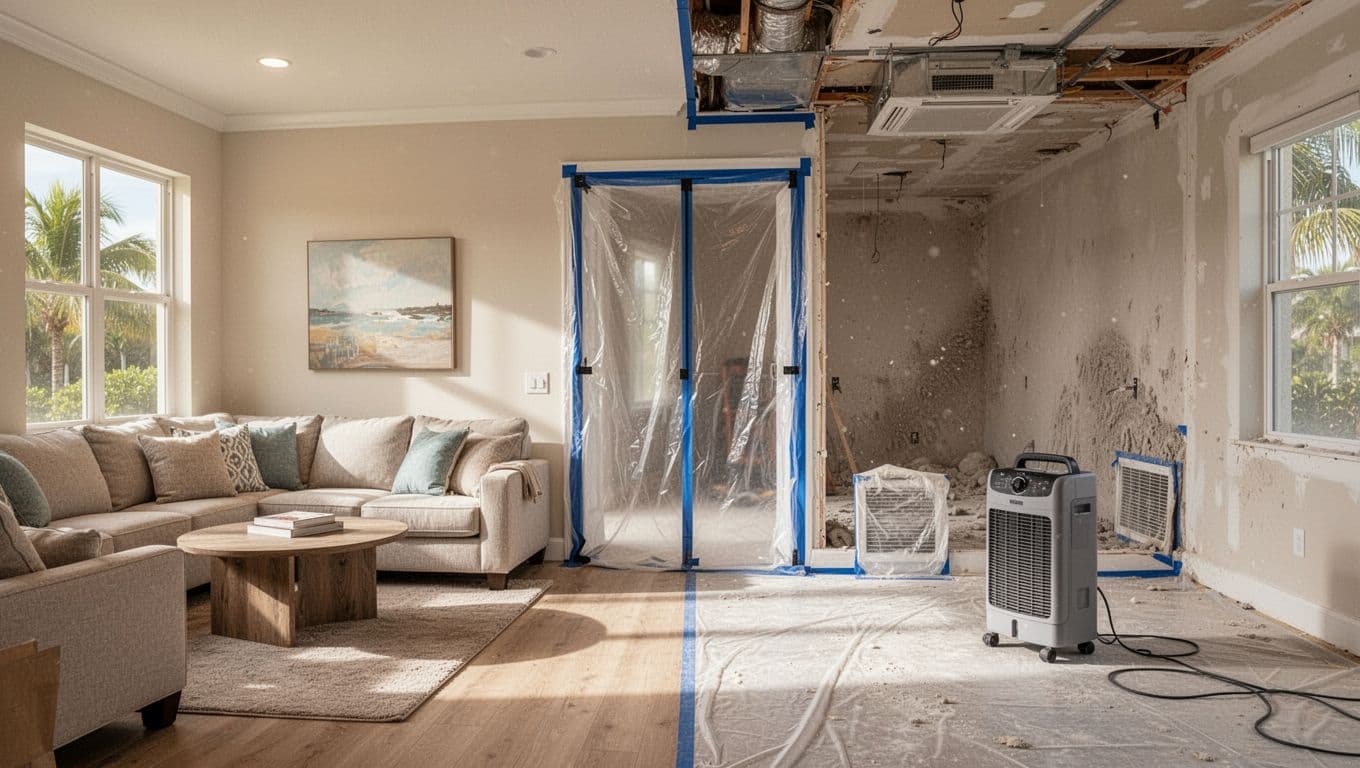
Seal the renovation area
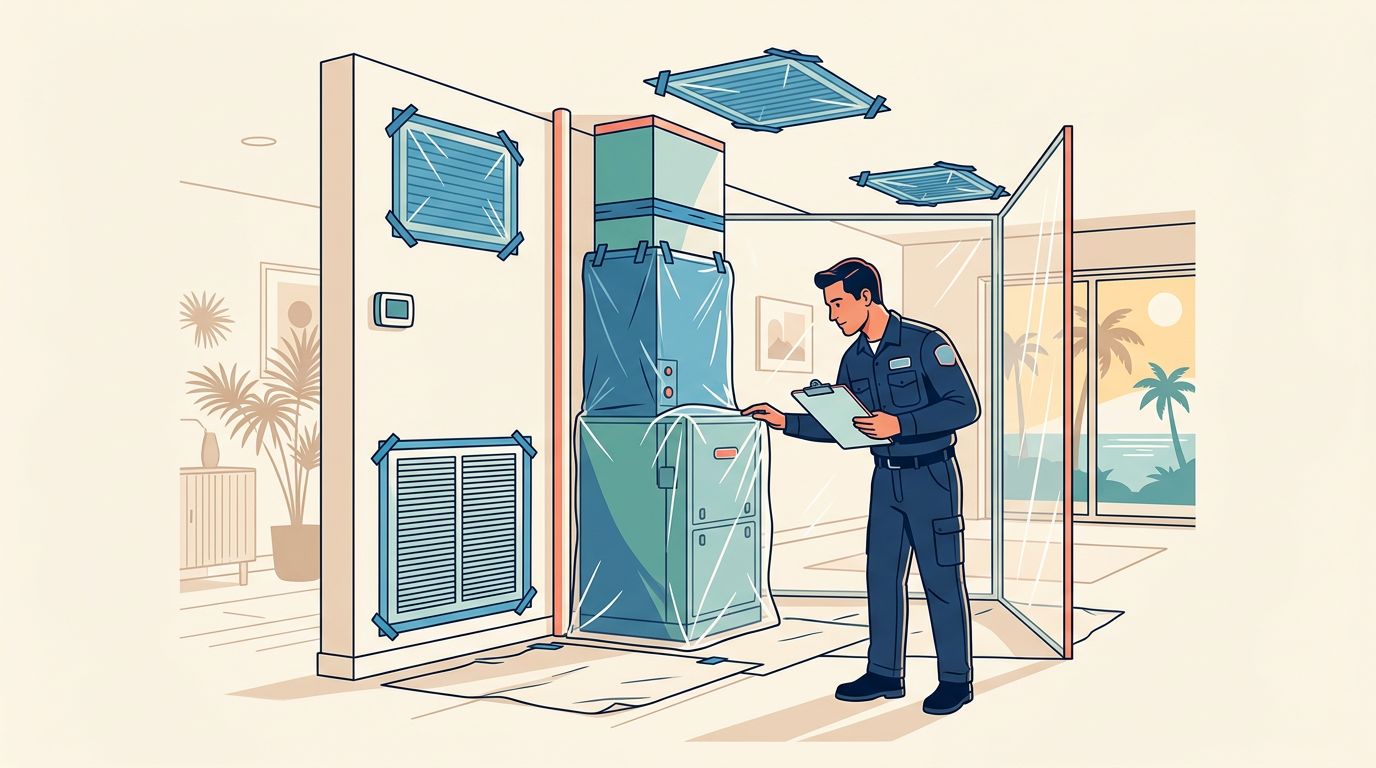
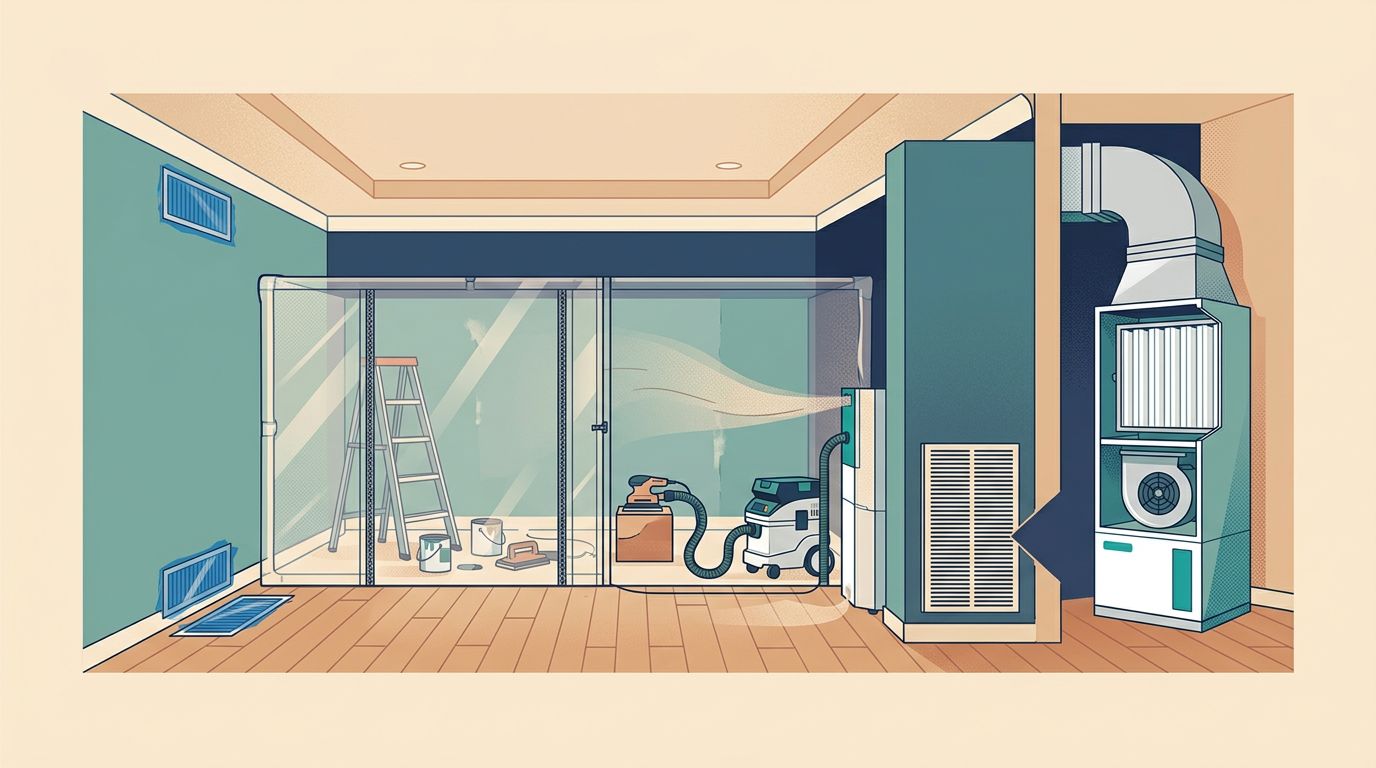
Use heavy plastic sheeting to close the doorway, then seal the edges with painter's tape or a zipper-style opening. Keep the door closed during sanding, cutting, or sweeping. Limit traffic and put a tacky mat near the entrance.
Close nearby windows unless workers need them for safe heat control. If exhaust ventilation pulls air outside, seal gaps so it doesn't draw dust toward a return grille.
Protect finished floors and furniture with low-shed coverings. Clean the path outside the zone daily, since dust on shoes and tools can spread even when the plastic barrier holds.
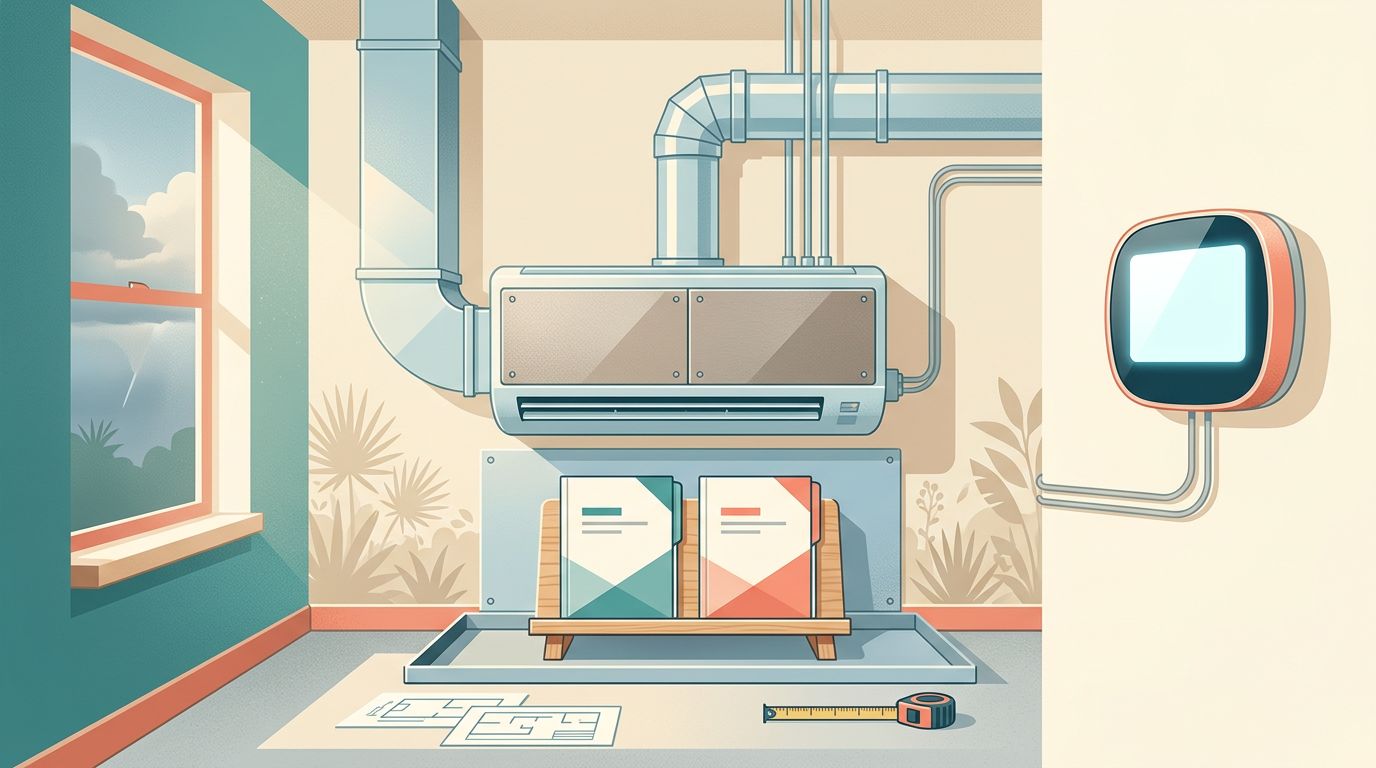
Before work begins, identify the filter location, air handler, supply registers, and return grilles. Marking the return closest to the renovation area helps workers avoid using it as a storage or staging point.
Protect registers without blocking returns permanently
Cover supply registers in the renovation room with a removable cover while the HVAC system is off. Remove it before restarting the system and inspect the grille for dust first.
Never permanently block a return vent. Cardboard, plastic, furniture, or tape can restrict airflow and reduce cooling. Use a temporary cover only while the system is off or under a professional's containment plan. Open the return before normal operation resumes.
Keep the HVAC System Out of the Dust Stream
Don't use the HVAC system as a construction-dust cleaner. A blower can spread particles that the filter would have caught near the renovation zone.
Pause operation during high-dust tasks
Turn the thermostat to "off" during active sanding, sawing, grinding, and demolition when conditions allow. Tell the crew when the system can restart, and keep the zone sealed until airborne dust settles.
Don't switch the fan to "on" to clear the room. It can move dust through ducts and into finished spaces. Also, never wrap a running air handler in plastic or cover its intake, because equipment needs proper airflow and clearance.
A short shutdown is easier to manage than days without dehumidification. If work lasts for hours or includes the air handler, coordinate a plan before work begins.
Capture dust at the tool and filter the room
Use a shrouded saw, sander, or grinder connected to a vacuum designed for fine dust. Proper dust collection works best at the source, before particles spread through the room.
Place a portable HEPA air filtration unit inside the sealed zone. Position its intake to collect room air without blowing across the doorway. Run it during work and for the period its manufacturer recommends afterward.
Portable filtration doesn't replace containment or tool collection. Empty the vacuum and change its filters outside the living area, following the equipment instructions.
Change Filters and Clean Registers After the Work
After active work ends, let airborne dust settle before opening the containment. Then clean the area and safely reachable HVAC components.
Inspect and replace the HVAC filter
Install a clean filter before renovation, then inspect it daily during dusty work. Construction can load it faster than normal household use. Replace it when dirty or when airflow drops, using the correct size and type.
A higher-rated filter isn't automatically better. If the system isn't designed for added resistance, it can reduce airflow. Follow the equipment requirements or ask a technician to recommend a compatible filter.
After final cleanup, install a clean filter if the first one collected visible dust. Record the replacement date so normal maintenance doesn't get lost after the project.
Clean grilles and accessible surfaces carefully
Turn the system off before cleaning registers and return grilles. Vacuum both sides with a HEPA-filtered vacuum, then wipe them with a damp microfiber cloth.
Don't blow compressed air into a grille or push a household vacuum hose deep into ductwork. Those actions can send settled dust farther into the system. Clean the wall or ceiling around each opening, too.
When to Schedule Professional HVAC Dust Control
A post-renovation inspection helps when dust returns or comfort changes. It can catch filter, airflow, or equipment problems before the next hot spell.
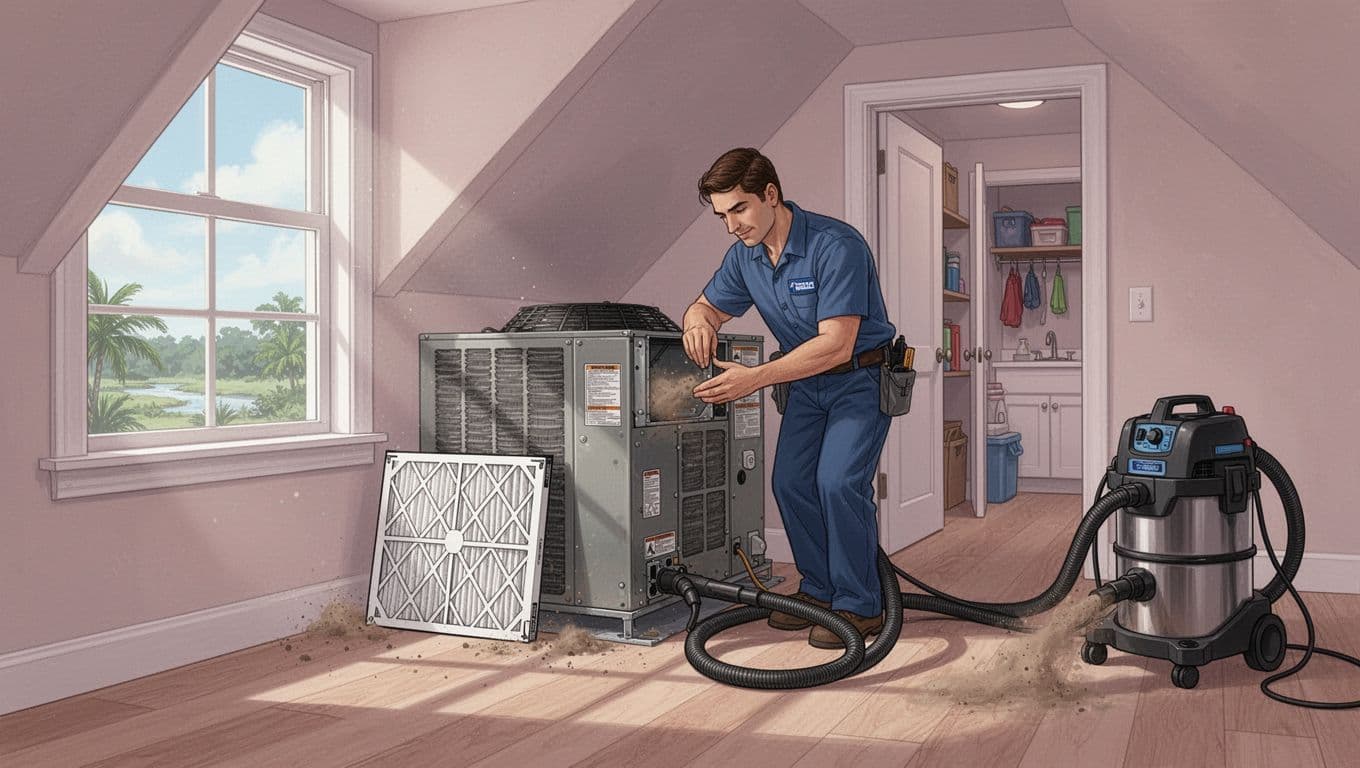
Watch for signs the system needs attention
Call for an inspection if debris appears inside a return, register, filter cabinet, blower compartment, or accessible duct. Weak airflow, rattling, new odors, uneven cooling, or a quickly loaded filter also deserve attention.
Duct cleaning isn't automatic after every remodel. A technician should explain whether you need cleaning, sealing, a filter or coil change, or another repair. Babcock Ranch and Southwest Florida homeowners can review signs your home needs duct cleaning when dust or odors continue.
Ask what the service will include
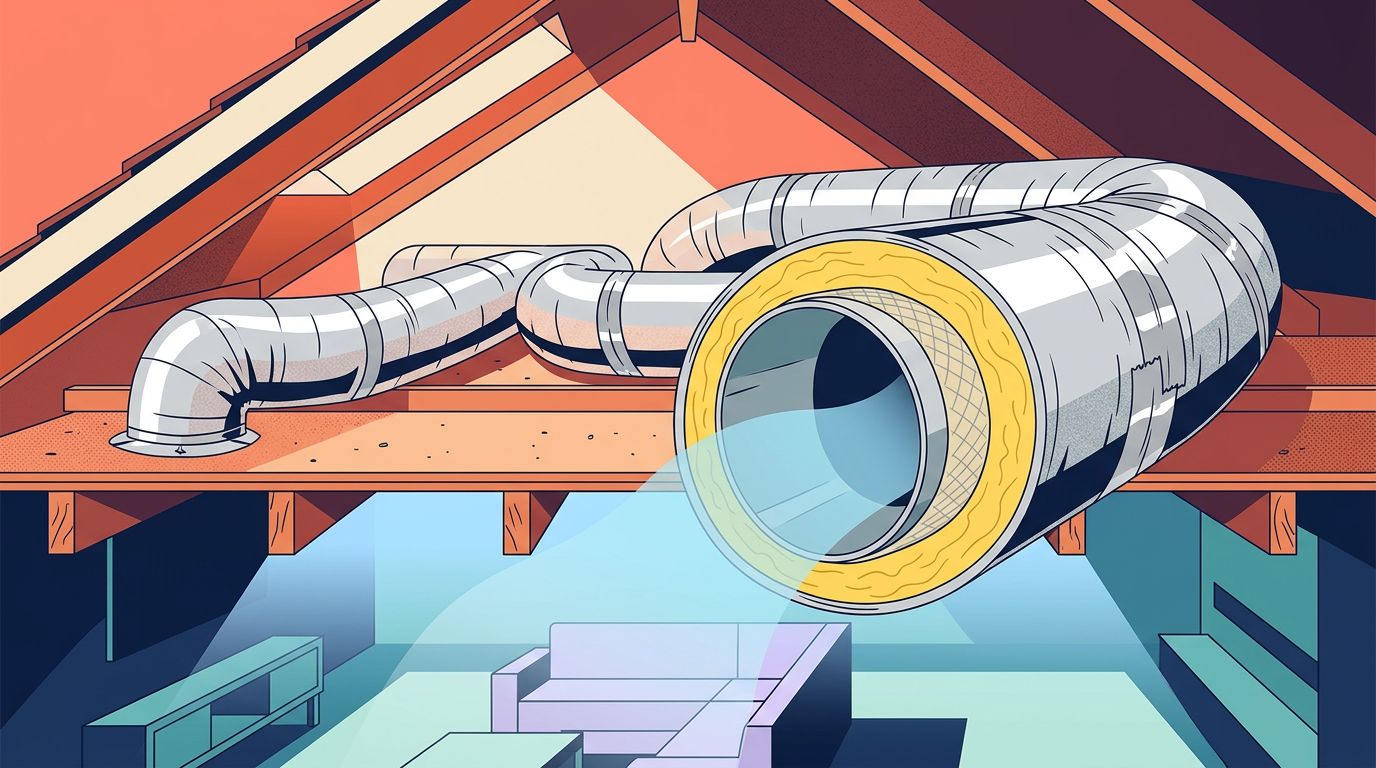
An inspection should cover the filter rack, blower compartment, evaporator coil, drain pan, condensate line, duct connections, and accessible surfaces. The technician should also check for gaps that allow air to bypass the filter.
If dust entered the air handler, cleaning may include careful vacuuming of accessible components and duct sections. For duct cleaning and air filtration services, ask what areas are included and which repairs are separate.
Dirty coils, weak airflow, and drain problems can also affect dehumidification. A cleaning plan should address those conditions instead of removing surface dust alone. Ask for photos or a clear explanation when a technician recommends duct cleaning.
Know When Dust May Be More Than Construction Debris
Most remodeling dust needs containment and cleaning. Suspected mold or hazardous materials require a different response.
Ordinary renovation dust still needs careful handling
Drywall powder, sawdust, tile dust, and concrete dust are common during home projects. Keep them inside the sealed zone, use tool collection, and clean with a HEPA vacuum instead of dry sweeping.
Visible cleanliness isn't enough. Fine particles can settle on a return grille, filter cabinet, or blower housing. If dust returns soon after cleanup, arrange an inspection instead of continuing to disturb the system.
Stop work for suspected mold, asbestos, or lead
A musty odor, recurring moisture, or visible growth can point to mold. Color alone can't identify it, and HVAC cleaning won't fix the water source.
Older materials may contain asbestos, and old painted surfaces may contain lead. Don't sand, cut, scrape, or vacuum suspected material. Isolate the area and contact a qualified asbestos, lead, or mold professional.
An HVAC technician can inspect the system after the material has been assessed and the area is safe. Tell every service provider what you suspect before anyone opens ductwork or the air handler.
Protect the Air You Plan to Enjoy
Good HVAC dust control begins with containment, not with a stronger filter after the renovation. Seal the work area, collect dust at the source, use portable filtration, and keep the HVAC system off during the dirtiest tasks.
Return vents need open airflow during normal operation, while filters and accessible grilles need inspection after the work. If the system shows debris, odors, weak airflow, or repeated dust, a professional inspection can identify the right fix before Southwest Florida's next stretch of heavy cooling.
Recent Posts