Water Heater Relief Valve Leaking in Babcock Ranch Homes
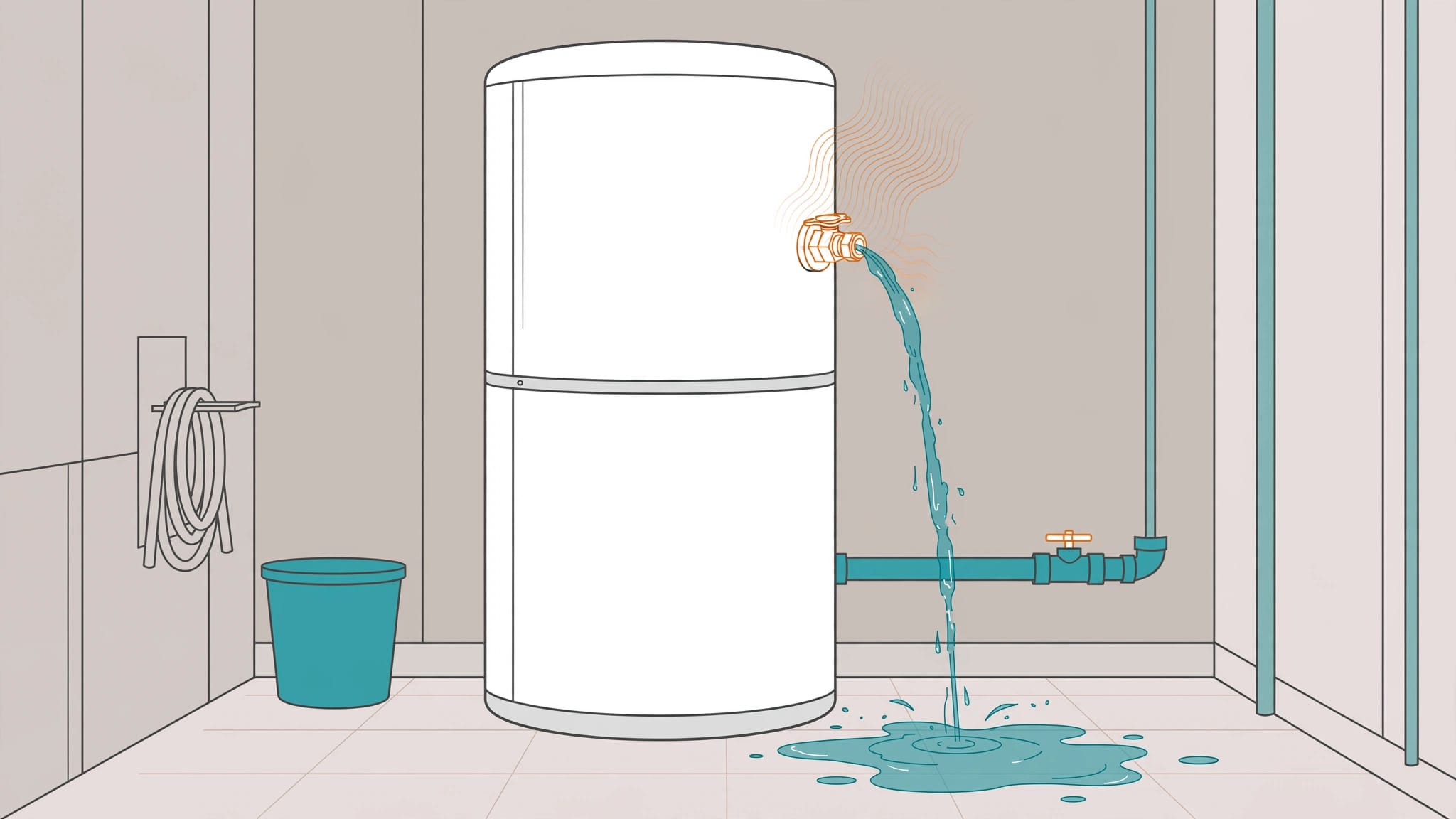
A puddle near your water heater can look small, but it deserves attention. A water heater relief valve is a safety device, and water coming from it may be hot enough to cause a serious burn.
For Babcock Ranch homeowners, the right response depends on whether the valve released water once or keeps dripping. Stay clear of the discharge water, avoid quick fixes, and treat repeated leaking as a plumbing issue that needs a proper diagnosis.
Why a water heater relief valve may release water
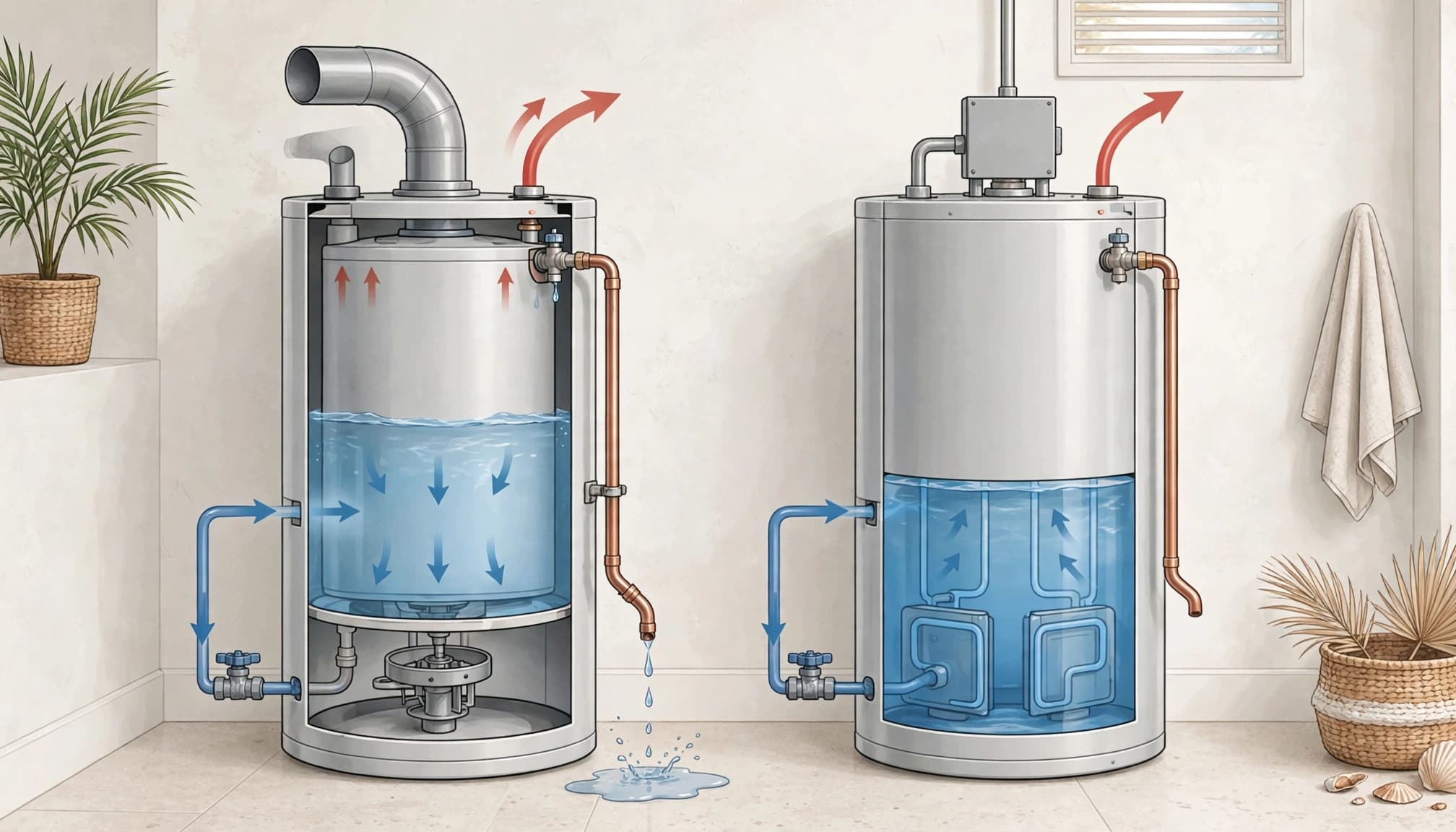
The temperature and pressure relief valve, usually called the T&P valve, sits near the top portion of a storage water heater. Both electric and gas tank water heaters use this same safety device.
It opens to reduce unsafe pressure or excessive water temperature inside the tank. Many residential T&P valves are designed to open near 150 psi or about 210 degrees Fahrenheit, although the correct rating depends on the heater and valve specifications.
The T&P valve is a safety device, not a nuisance leak
A water heater relief valve can prevent a dangerous tank failure. Its discharge pipe directs released water away from the valve and toward a safe drain location.
Never cap, plug, tape over, or bypass the valve or its discharge pipe. Blocking that outlet can trap pressure inside the heater. A drip may be inconvenient, but an obstructed relief path creates a far more serious problem.
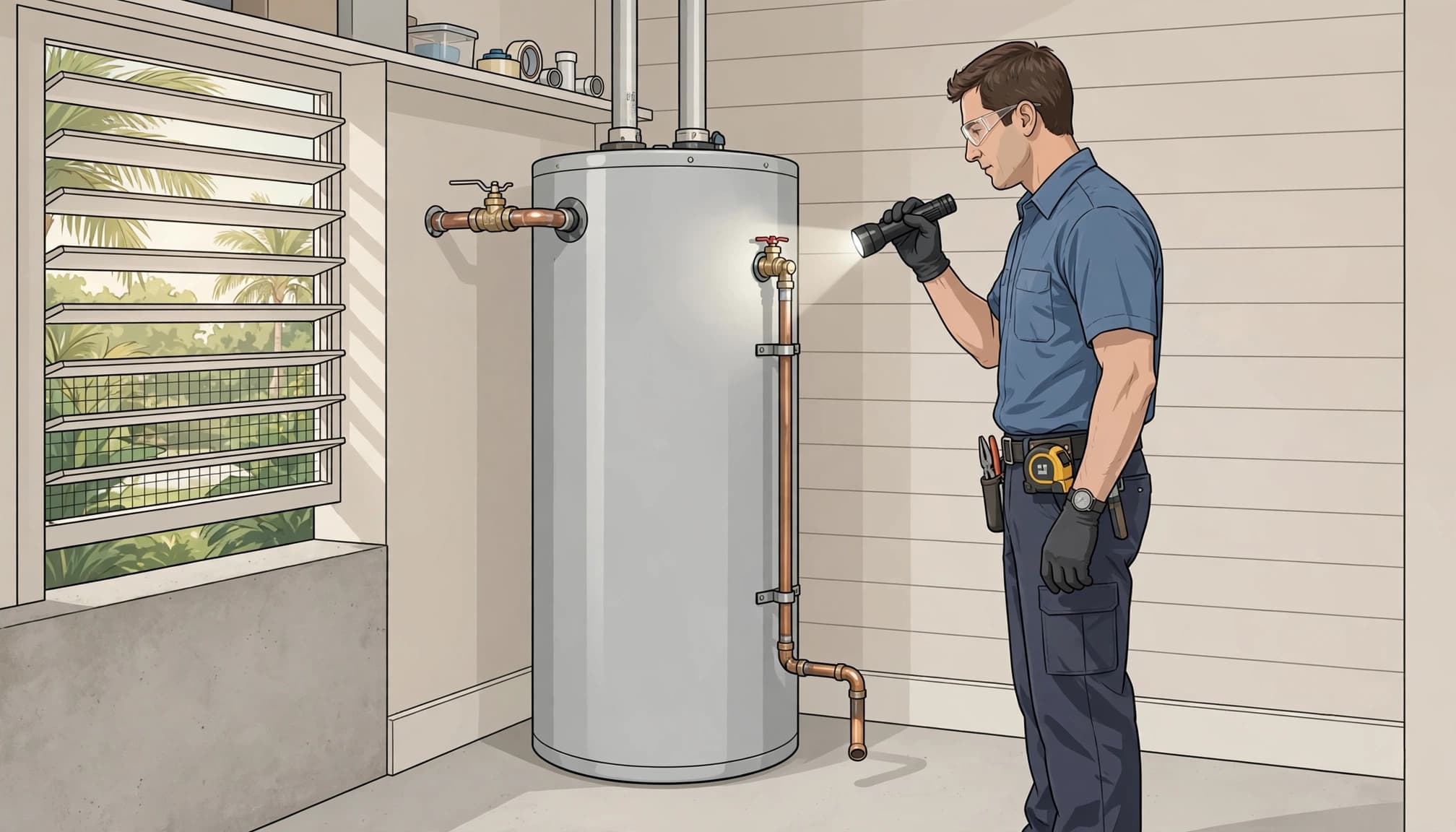
The discharge pipe should remain open, slope downward, and terminate where hot water cannot injure someone. It should not have a shutoff valve, cap, trap, or narrowed section. PVC is not suitable for many relief lines because released water can be extremely hot.
Occasional discharge and persistent dripping are different
A brief release does not always mean the water heater has failed. For example, pressure can rise as water heats and expands inside a closed plumbing system.
However, persistent leaking is not normal . A valve that drips for hours, repeatedly opens during heating cycles, or fails to reseat needs professional attention. The source could be the valve itself, high water pressure, overheating, thermal expansion, or a problem at the tank connection.
The relief valve should protect the water heater during an abnormal condition. It should not manage daily pressure changes on its own.
Safe first steps when water is coming from the valve
Keep children, pets, and bare skin away from the discharge pipe. Water leaving a T&P valve may be hot enough to scald, even if the puddle looks harmless.
Do not place a bucket directly beneath an active discharge pipe if doing so puts you in the water's path. Also, don't pull the test lever on a valve that is actively leaking or spraying. A worn or contaminated valve may not close again after you release it.
Shut off the energy source with care
If water is actively releasing from the water heater relief valve, turn off the heat source when you can do so safely.
For an electric water heater , switch off the dedicated breaker before touching any part of the unit. Never remove panels or attempt electrical work around a wet appliance.
For a gas water heater , turn off the gas supply only if the shutoff is safely accessible and you know how to operate it. Do not attempt repairs around the burner or relight the heater after a leak without professional guidance.
Turning off the energy source stops more water from heating. It does not instantly remove pressure or cool the tank.
Use the cold-water supply shutoff only when it is safe
The cold-water supply shutoff is usually located on the pipe feeding into the top of the heater. If you can reach it without crossing hot water, turn it off to stop the tank from refilling.
That step can reduce additional water loss. Still, the tank may remain hot and pressurized. Don't treat the shutoff as permission to loosen fittings, remove the relief valve, or disconnect the discharge line.
If water is spraying, the heater is making unusual sounds, or the leak is severe, leave the area and call a licensed local plumber.
Common causes of a leaking T&P valve
A plumber should identify the cause before replacing parts. Replacing the valve alone may only hide a pressure or temperature issue that makes the new valve leak as well.
Thermal expansion can raise pressure during heating
Water expands when it warms. In an open plumbing system, the added volume can move back toward the supply line. However, a check valve, backflow device, pressure-reducing valve, or certain water meter setups can create a closed system.
In a closed system, pressure has nowhere to go as the water heater runs. That pressure can force the T&P valve open.
An expansion tank installed on the cold-water line can absorb that added volume. It contains a pressurized air bladder that gives expanding water a place to go. A plumber can determine whether an expansion tank is needed, correctly sized, charged, or replaced.
High supply pressure, overheating, or a failed valve
Excessive incoming water pressure can affect more than the heater. It can stress appliance hoses, plumbing connections, and fixtures throughout the home.
Overheating is another concern. A malfunctioning thermostat, heating element, gas control, or other component can raise water temperature beyond a safe range. If your tap water suddenly feels much hotter than usual, stop using hot water and arrange service promptly.
The T&P valve itself can also fail. Mineral buildup, corrosion, debris, or a worn internal seat can keep it from closing fully after it opens.
Water that appears at the threaded valve connection may involve the connection or valve. Water coming from the tank opening around that connection can point to a more serious tank issue. A technician needs to locate the exact source before recommending a repair or replacement.
What a licensed plumber checks during diagnosis
A proper visit starts with the pattern of the leak. Note when dripping occurs, whether it starts after a shower or dishwasher cycle, and whether the water is warm, hot, or cool.
A plumber may inspect the T&P valve rating, discharge piping, incoming water pressure, heater temperature controls, and the cold-water supply arrangement. They can also check for a pressure-reducing valve, backflow device, or expansion tank.
A pressure reading needs context
One pressure measurement does not tell the whole story. The plumber must consider where the reading was taken, whether the heater was running, and how pressure changes during a heating cycle.
High pressure may point to a supply or expansion problem. On the other hand, a valve that leaks even at normal pressure may have an internal defect. The inspection should connect the observed condition to a clear repair plan.
Ask for an explanation of the findings before work begins. You should know whether the recommendation involves a valve replacement, expansion tank repair, pressure-control issue, water heater control problem, or tank replacement.
Protect your household from scalding and water damage
Hot water injuries happen fast. Keep the water heater temperature at a safe household setting, and use extra care when young children, older adults, or people with limited mobility live in the home.
A mixing valve can help control delivery temperature at fixtures, but it does not replace the water heater's T&P safety valve. Each part has a different job.
Keep the relief discharge route clear
Check the area around the heater every few weeks. Stored items, paint cans, shelving, or cleaning supplies should never block access to the T&P valve, discharge pipe, gas shutoff, breaker panel, or cold-water supply shutoff.
Look for moisture at the pipe's end rather than only at the valve. A discharge line can carry water away from the tank, so the first visible clue may be near its termination point.
Rust streaks, damp drywall, recurring floor stains, or mineral deposits can all show that a slow leak has been present longer than expected.
A short homeowner checklist for a leaking relief valve
Use these steps to respond safely while you arrange help:
- Keep people and pets away from hot water near the heater or discharge pipe.
- Do not cap, plug, shorten, or block the T&P valve discharge line.
- Turn off the dedicated breaker for an electric heater if it is safe to do so.
- For a gas heater, shut off the gas supply only if the valve is accessible and safe to operate.
- Close the cold-water supply shutoff if you can reach it without exposure to hot water.
- Avoid pulling the T&P test lever, removing the valve, or loosening plumbing connections.
- Take photos of the leak location and note whether the water is hot or only appears after heating cycles.
- Call a licensed local plumber for recurring drips, spray, unusually hot water, or visible tank damage.
When a leaking valve needs urgent service
Call for prompt plumbing service when the relief valve releases a steady stream, repeatedly opens, or continues to drip after the heater cools. Water that is extremely hot, discolored, or forceful also calls for immediate attention.
A pressurized water heater, a suspected overheating problem, or a leak from the tank itself should never become a do-it-yourself project. Turn off the heat source if it is safe, keep clear of the unit, and let a licensed plumber diagnose the system.
For help arranging a local service visit, contact Sunset Gulf HVAC. Clear details about the leak can help the right professional respond with the appropriate next step.
A safer response starts with the relief valve
A dripping T&P valve may be a warning about pressure, temperature, or a worn part. The safest move is to protect the discharge path, turn off the heater's energy source when necessary, and avoid touching hot or pressurized components.
A working water heater relief valve is part of the home's safety system. It needs a clear outlet and a professional diagnosis when it starts releasing water repeatedly.
Frequently Asked Questions
Can a water heater relief valve leak once and then stop?
Yes. A one-time release can happen after a pressure increase, including thermal expansion during a heating cycle. Still, check for repeat moisture and schedule a plumber if the valve leaks again.
Is it safe to replace a T&P valve yourself?
It is safer to have a licensed plumber replace it. The heater may contain hot, pressurized water, and the root cause may be excessive pressure or overheating rather than the valve alone.
Should I turn off water to my whole house?
Usually, the cold-water shutoff at the heater is the first option if it is safe to reach. Shut off the main water supply if the local shutoff is inaccessible, damaged, or the leak cannot be contained safely.
Why does the relief valve leak only when the heater runs?
That pattern can point to thermal expansion or rising system pressure during the heating cycle. A plumber can check whether a closed plumbing system needs a properly sized and charged expansion tank.
Recent Posts