What an AC Startup Sheet Should Show After Installation
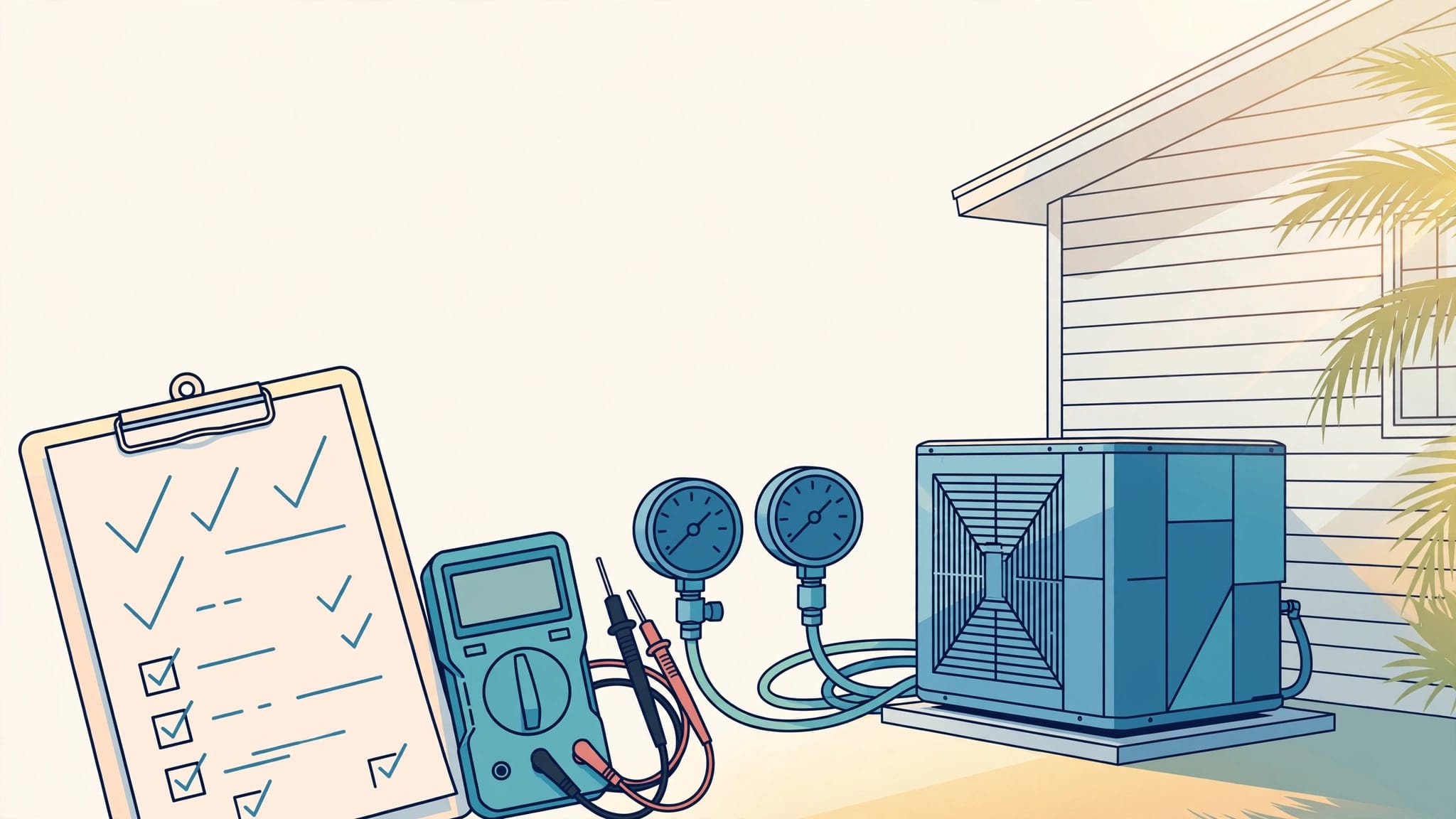
A new air conditioner can look perfect and still have setup issues that affect comfort, humidity, and equipment life. A completed AC startup sheet gives you a record that the installer tested the system after installation, rather than only turning it on.
For homeowners in Babcock Ranch and across Southwest Florida, that record matters. Long cooling seasons, high humidity, and frequent storms put every part of an AC system to work. The sheet should show measured results, the conditions during testing, and how those results compare with the equipment manufacturer's specifications.
Why an AC startup sheet matters after installation
An AC startup form is part of the commissioning process. It captures the system's identity, operating readings, and functional checks at the time the technician puts the equipment into service.
That paperwork creates a useful baseline. If your home later feels humid, the system short-cycles, or a repair is needed, a technician can compare current readings with the recorded startup information. It also confirms that the indoor and outdoor equipment work together as the installed system.
It documents more than a successful first start
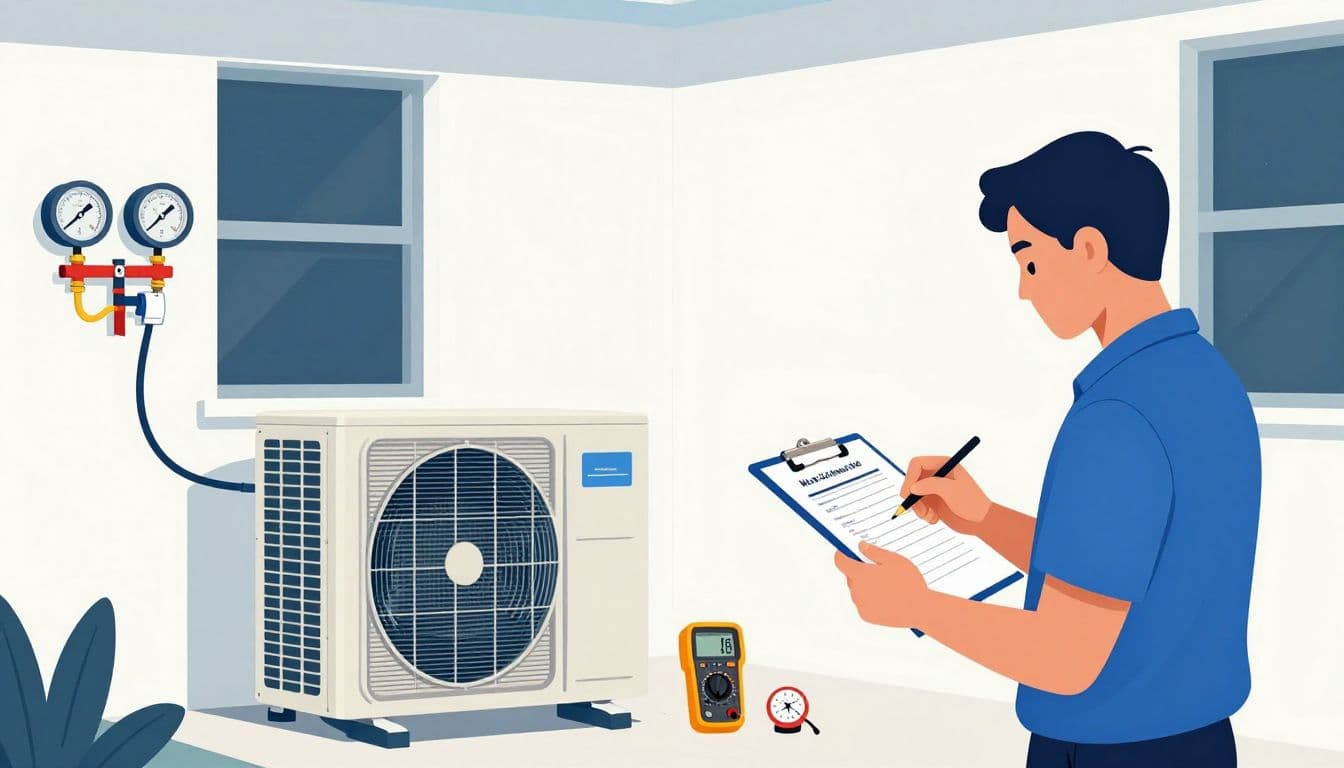
A system starting and blowing cool air is only the beginning. Proper startup checks look at refrigerant performance, electrical load, airflow, drainage, controls, and thermostat response.
The technician should write down actual readings instead of marking every line "OK." Numbers give the form meaning because they show what the equipment was doing under real conditions.
Operating conditions give readings context
Outdoor temperature, indoor temperature, indoor humidity, thermostat setting, and system run time can affect measured results. A pressure reading taken on a mild morning may differ from one taken during a hot, humid afternoon.
A startup reading only makes sense when it is paired with the conditions under which the technician took it.
The installer should compare readings to the manufacturer's published data and charging procedure for that model. There is no single pressure, amp draw, or temperature split that fits every system.
What an AC startup sheet should show
The form can vary by manufacturer and contractor, but a thorough AC startup sheet covers the major information below.
| Field on the sheet | What it confirms |
|---|---|
| Customer address, date, and technician | Identifies where and when the startup occurred, plus who performed it. |
| Outdoor and indoor model numbers | Confirms the installed components match the planned system configuration. |
| Serial numbers | Records equipment identification for warranty and future service history. |
| Refrigerant type | Confirms the refrigerant listed for the installed equipment. |
| Outdoor temperature and indoor conditions | Places pressure, temperature, and charging readings in context. |
| Suction and liquid pressures | Shows refrigerant-side operating measurements for the system. |
| Superheat or subcooling | Supports charge verification when the manufacturer calls for that method. |
| Supply and return air temperatures | Shows the measured temperature split across the indoor coil. |
| Airflow information | Confirms the blower and duct system are moving air as intended. |
| Voltage and amperage | Checks electrical supply and component load during operation. |
| Drainage and safety checks | Documents condensate flow, float switches, and related protections. |
| Thermostat test results | Confirms the controls call for cooling and operate the fan correctly. |
A completed form should also identify accessories that affect system operation, such as a whole-home dehumidifier, UV equipment, zoning controls, or a condensate pump.
Equipment identification prevents avoidable confusion
Model and serial numbers may seem administrative, but they are practical service information. Indoor air handlers, outdoor condensers, coils, thermostats, and heat pump components can have separate identification numbers.
The indoor and outdoor units must be a compatible match
The outdoor condenser doesn't work alone. Its performance depends on the matched indoor coil or air handler, metering device, blower settings, and refrigerant charge.
A startup record should list the actual equipment installed, not only a proposal's model number. This helps when someone needs warranty details, replacement parts, or later diagnostics.
Proper sizing also shapes startup results. If you are planning a replacement, a room-by-room HVAC load calculation provides a more reliable starting point than choosing equipment by the old unit's tonnage alone.
The refrigerant type belongs on the form
The sheet should name the refrigerant specified for the equipment. It should not rely on a guess based on the system's age or cabinet appearance.
This entry matters because refrigerant procedures, target values, and service requirements vary by equipment design. It also helps future technicians prepare for service without opening the system unnecessarily.
Refrigerant readings should match the manufacturer's method
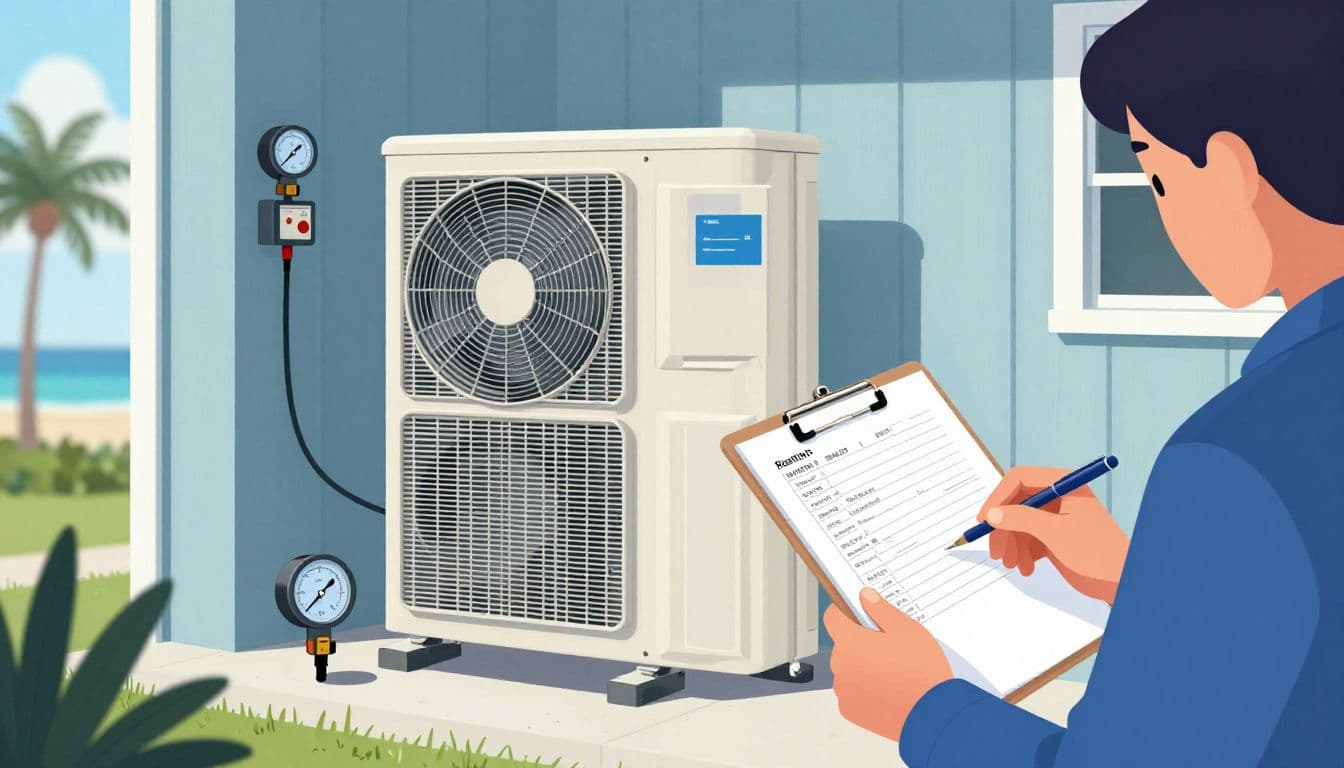
Refrigerant checks help confirm that the system has the charge it needs to move heat effectively. A technician may record suction pressure, liquid pressure, line temperatures, saturation temperatures, superheat, subcooling, or a combination of these readings.
Pressures alone do not tell the whole story
Pressure readings change with indoor load, outdoor weather, airflow, and equipment type. A technician should not declare a system properly charged from one pressure number alone.
Instead, the sheet should show the pressures alongside outdoor conditions and line temperatures. That fuller record makes it possible to see whether the data aligns with the manufacturer's charging guidance.
Superheat and subcooling depend on the equipment
Some systems use subcooling as the primary charging check. Others call for superheat, often with a fixed-orifice metering device. Variable-speed systems and communicating equipment may have their own procedures.
The startup form should state which measurement was used and the actual result. It should also note whether the technician followed a target listed on the unit's data plate, installation instructions, or manufacturer documentation.
Electrical, airflow, and temperature split checks
An AC system needs the right amount of air moving across the indoor coil. It also needs stable electrical power and motors that operate within the equipment's rated limits.
Voltage and amperage verify the electrical side
The startup sheet should record supply voltage and the amperage drawn by major operating components when applicable. That may include the compressor, outdoor fan motor, indoor blower, and electric heat components on a heat pump system.
These readings should be evaluated against the nameplate and manufacturer specifications. A correct-looking installation can still develop trouble if a connection is loose, a breaker is mismatched, or a motor draws more current than expected.
Temperature split and airflow reveal indoor performance
The technician should measure return-air and supply-air temperatures after the system has operated long enough to stabilize. The difference between them is commonly called the temperature split.
That figure is useful, but it is not a stand-alone verdict. Indoor humidity, refrigerant operation, blower speed, filter condition, duct design, and outdoor conditions all affect it.
Airflow may be documented as blower settings, static pressure readings, measured airflow, or another manufacturer-approved method. Weak airflow can leave rooms uneven, reduce moisture removal, and contribute to coil problems.
Condensate, safety controls, and thermostat operation
Florida systems pull a great deal of moisture from indoor air. That water must leave the system through a properly installed and tested condensate path.
Drainage checks protect the home as well as the system
A good startup sheet should show that the primary drain flows, the drain trap is appropriate for the system, and any condensate pump operates if one is installed. The technician should also test an overflow safety switch or float switch when the system includes one.
In Southwest Florida, drain line trouble often starts as a small issue. Then algae, sludge, or a blockage can trigger a shutdown or send water into a closet, attic, or ceiling. Scheduled inspections through preventive air conditioning maintenance can catch drainage concerns before the hottest part of the year.
The thermostat needs a full functional test
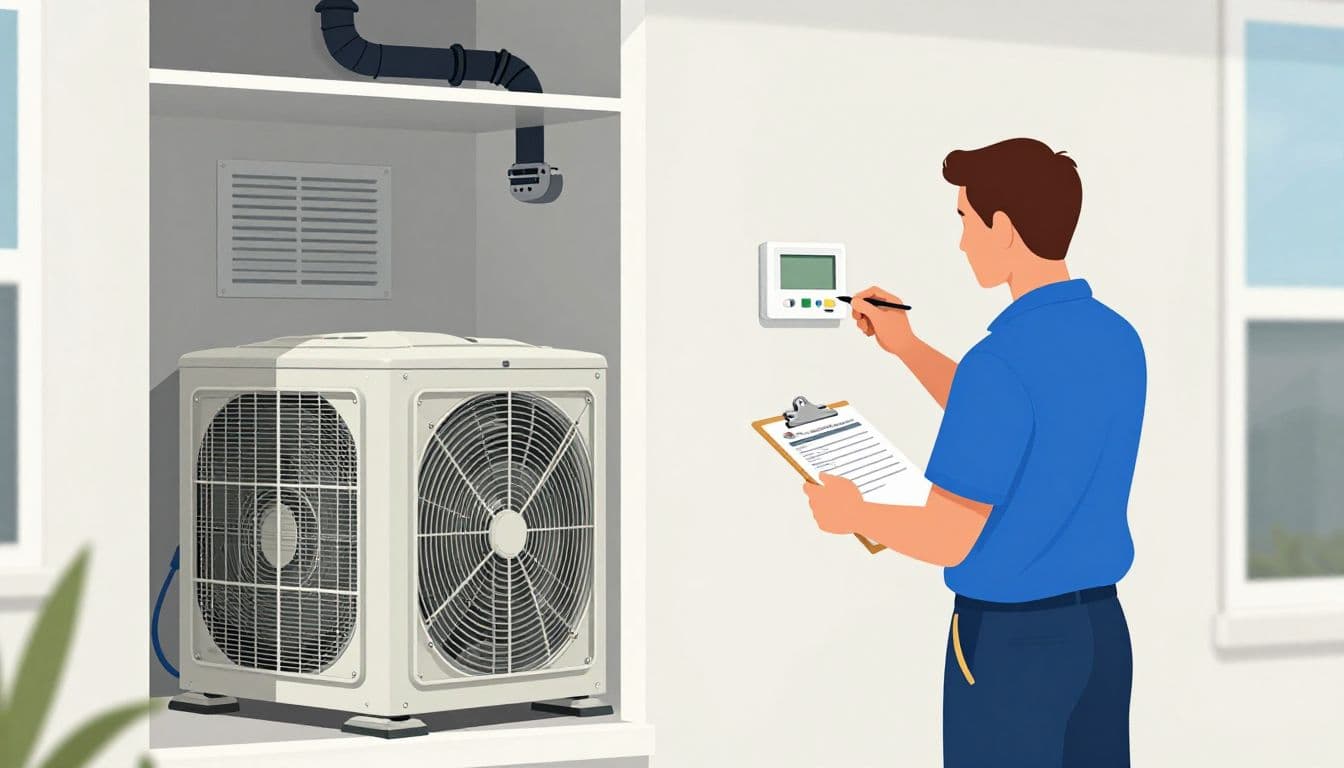
The installer should confirm that the thermostat calls for cooling, stops cooling at the set point, and operates the fan as intended. For heat pumps, the test may also include heating mode and auxiliary heat where appropriate.
Thermostat placement matters too. Sunlight, kitchen heat, supply vents, and poor wall insulation can influence its reading. After installation, use Babcock Ranch summer thermostat settings that balance comfort with humidity control.
Warning signs on an incomplete startup form
A sparse sheet does not always prove poor work, but it gives you less information to rely on. Ask for clarification if the form lacks basic equipment identification or contains only check marks where measured values belong.
Watch for these common concerns:
- Model and serial numbers are missing, incomplete, or do not match the installed equipment.
- The form lists pressures but omits indoor and outdoor operating conditions.
- Superheat or subcooling is blank even though the equipment procedure calls for it.
- Every field has the same handwriting and generic "normal" note, with no actual readings.
- Voltage, amperage, airflow, drain testing, and thermostat checks are absent.
- The technician cannot explain how the readings compare with manufacturer specifications.
- A problem is noted, but the form does not state what was adjusted or whether the system was retested.
A strong record does not need to be complicated. It needs to be complete, legible, and tied to the system installed in your home. That standard is part of professional HVAC installation and repair, especially when new equipment must handle persistent heat and humidity.
Key takeaways for homeowners
Keep a copy of the startup sheet with your invoice, warranty information, and maintenance records. It should identify your equipment, document actual operating readings, and show that the installer tested drainage, electrical components, airflow, safety devices, and thermostat controls.
Most importantly, readings should be recorded under stated operating conditions and checked against the manufacturer's requirements. A complete startup sheet gives you a usable baseline , not a vague promise that the AC turned on.
A documented startup supports lasting comfort
A new AC installation deserves more than a quick cooling test before the technician leaves. The startup sheet should show that the system was measured, adjusted when needed, and tested as a connected whole.
When cooling, humidity control, drainage, and controls begin with verified readings, you have a clearer reference point for every season that follows.
Frequently asked questions
Should I receive a copy of the AC startup sheet?
Yes. Ask for a copy before or shortly after the installation is complete. Keep it with your invoice and warranty documents. A digital copy is fine if it clearly shows the equipment details and recorded readings.
What if my installer did not provide startup readings?
Contact the contractor and request the commissioning or startup documentation. If the form is missing key data, ask whether the technician can review the installation, take the appropriate readings under operating conditions, and provide an updated record.
Does a good startup sheet guarantee no future AC repairs?
No. Components can fail later, weather conditions change, and normal wear continues. However, a complete sheet gives future service visits a baseline and can help separate installation-related concerns from issues that develop over time.
Are all AC startup sheets identical?
No. Forms differ by manufacturer, equipment type, and installed accessories. A heat pump, variable-speed system, communicating thermostat, or condensate pump may require additional checks. The core goal stays the same: document the system identity, measured performance, and completed functional tests.
Recent Posts